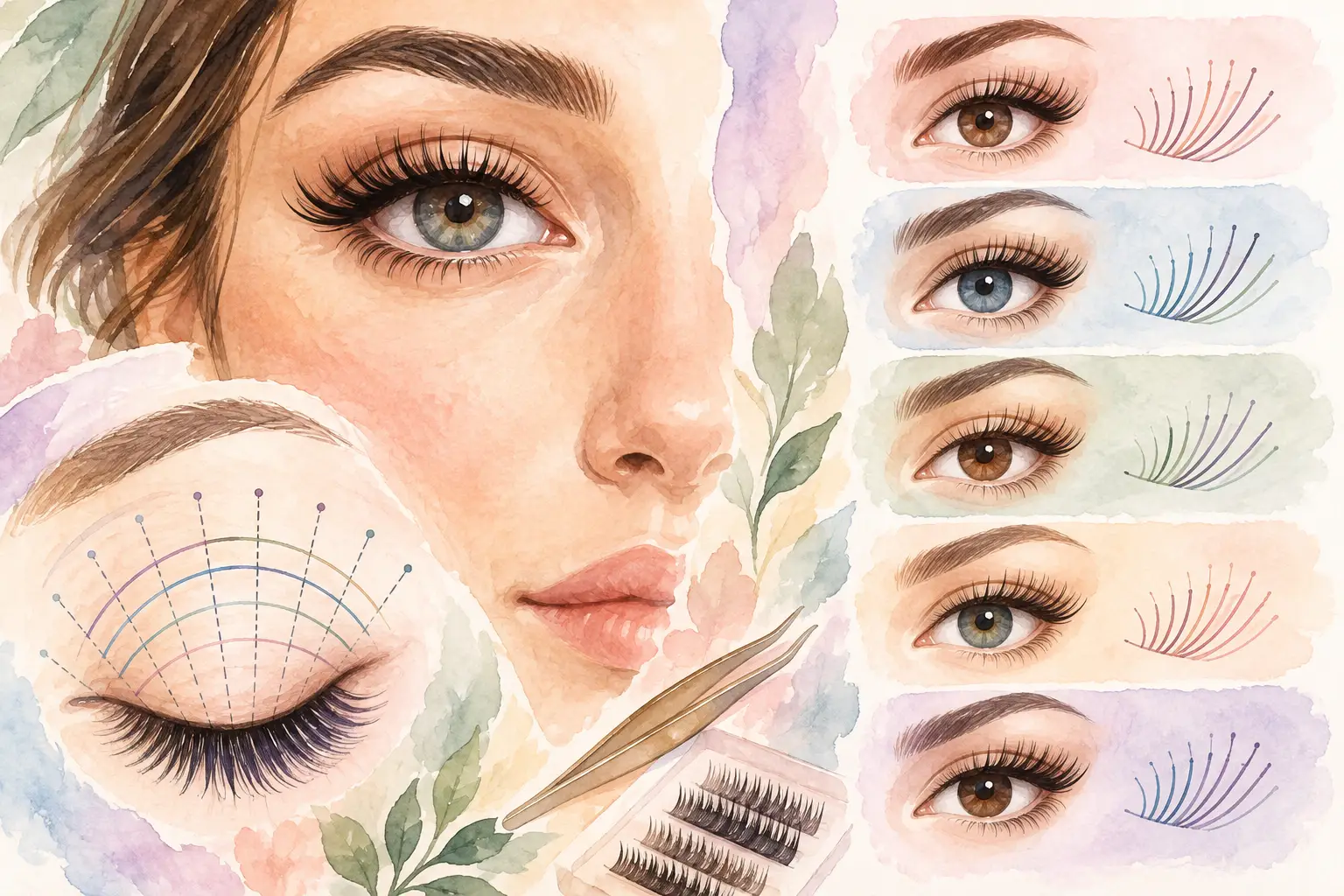
That fresh full-lash feeling should last well beyond your appointment day. The best aftercare tips for lashes are not complicated, but they do require consistency. Clean extensions, gentle handling, and the right products protect your natural lashes while helping your set stay soft, dark, and beautifully separated between fills.
Great retention starts with a quality application, proper isolation, clean tools, and an experienced lash artist. After you leave the studio, your routine becomes the other half of the result. A few small habits can make the difference between lashes that look polished for weeks and lashes that shed or twist before their time.
Best Aftercare Tips for Lashes After Your Appointment
For the first 24 hours, keep your lashes dry unless your lash artist gives you different instructions based on the adhesive used. Avoid steamy showers, saunas, hot yoga, swimming, and direct water pressure on the eye area. Adhesive needs adequate time to cure, and early exposure to excess heat or moisture can affect retention.
After that initial period, water is not the enemy. In fact, avoiding water and cleansing for too long can leave behind oil, makeup, sweat, and bacteria. The goal is to be gentle, not overly cautious. When showering, let water run over your face rather than aiming a high-pressure stream directly at your lashes.
Skip the urge to touch, pull, or pick at your extensions. Even when a lash looks slightly turned or feels ready to shed, pulling can remove a natural lash before it completes its normal growth cycle. If you see a loose extension, let it fall naturally or mention it at your next fill appointment.
Clean Your Lash Extensions Every Day
Clean lashes retain better and feel more comfortable. Your lash line naturally collects oil, skincare residue, makeup, dust, and tiny particles throughout the day. When that buildup sits at the base of your extensions, it can weaken the adhesive bond and create an environment where irritation is more likely.
Use a lash-safe, oil-free cleanser and a soft cleansing brush designed for extensions. Gently work the cleanser across your eyelid and lash line, then rinse thoroughly with cool to lukewarm water. Pat the area dry with a clean, lint-free towel or allow it to air-dry. Once dry, brush your lashes lightly into place.
Clients who wear eye makeup, work out often, have oily skin, or use heavier skincare products may need to cleanse more carefully. Daily cleansing is still the standard, but your artist can help you adjust your routine if you notice faster buildup around the lash line.
Be Careful With Oils and Heavy Eye Products
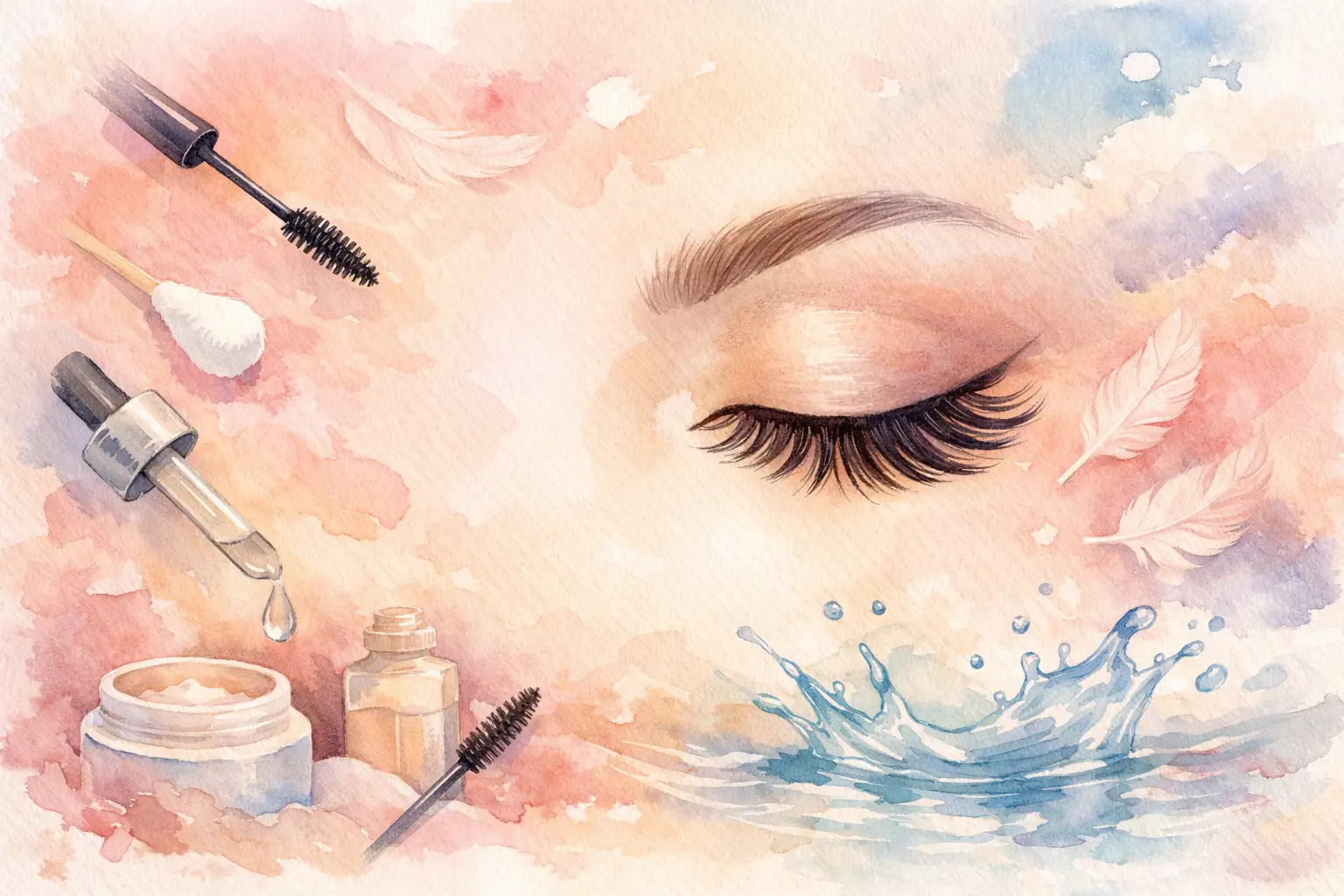
Oil-based makeup removers, cleansing balms, thick eye creams, and facial oils can travel toward the lash line. Depending on the formula and how it is applied, they may soften adhesive bonds or leave a residue that attracts buildup. You do not have to give up good skincare, but placement matters.
Apply moisturizers and eye creams sparingly, keeping them below the orbital bone rather than directly against the lash line. Give products time to absorb before bed. If you use a makeup remover near the eyes, choose one made specifically for lash extensions and rinse the area afterward.
Waterproof mascara is another common retention problem. It is difficult to remove without rubbing or using oil-based products, neither of which is extension-friendly. With a properly customized classic, hybrid, or volume set, mascara should not be necessary. If you want more definition, ask your lash artist whether a lash-safe product is appropriate for your set.
Brush, Dry, and Protect Your Lashes
A clean spoolie is one of the simplest tools in lash aftercare. Brush extensions once or twice a day, especially after washing your face, showering, or sleeping. Start at the middle of the lashes and move gently upward. Avoid pressing the spoolie into the base of the extensions, where the adhesive bond is located.
If your lashes get wet, do not rub them with a towel. Instead, blot around the eye area and let the extensions dry naturally. You can use the cool setting of a blow dryer from a safe distance if needed, then brush them once fully dry. Heat can affect the curl of some extensions, so keep the air cool and avoid getting too close.
Your sleep position can also affect how your lashes wear. Sleeping face-down or pressing your eyes firmly into a pillow may cause one side to shed faster, bend, or lose its shape. A silk or satin pillowcase can reduce friction, but back or side sleeping with minimal pressure on your eyes is the better goal.
Watch Out for Heat, Steam, and Friction
Lash extensions are designed for everyday wear, not for constant heat and friction. Frequent sauna visits, steam rooms, hot yoga, and very hot showers can reduce retention over time. You do not necessarily have to avoid these activities completely, but expect that your fills may be needed a little sooner.
The same applies to rubbing your eyes, using an eyelash curler, or sleeping in a tight eye mask. Mechanical curlers can crimp or break extensions and may pull on natural lashes. If you wear an eye mask, choose a contoured style that leaves open space around the eyes rather than pressing directly on your lashes.
Know What Is Normal and What Needs Attention
Natural lashes shed every day, and your extensions shed with them. Seeing a few lashes on your pillow, towel, or spoolie is normal. You may also notice that one eye appears to shed more quickly than the other, especially if you sleep on one side, wear glasses, have seasonal allergies, or rub one eye more often.
What is not normal is persistent burning, swelling, intense itching, redness, pain, or clusters of extensions falling out with natural lashes attached. If you experience discomfort after an appointment, contact your lash artist promptly. Do not attempt to remove extensions yourself with tweezers, adhesive remover, or home remedies. Professional removal protects your natural lashes and helps identify whether you are dealing with irritation, sensitivity, or an aftercare issue.
Allergy symptoms and mild irritation can look similar at first, which is why communication matters. Tell your artist about changes in medications, skincare, allergies, or eye health before your next service. A trusted lash professional can recommend the safest next step and adjust your service when appropriate.
Keep Your Fill Appointments Consistent
Most clients benefit from a fill every two to three weeks. The right schedule depends on your natural lash cycle, the fullness of your original set, your lifestyle, and how consistently you follow aftercare. Waiting too long often turns a fill into a full set, which requires more appointment time and more investment.
Arrive to your fill appointment with clean lashes and no eye makeup. This gives your artist the best view of your natural lashes, makes the service more comfortable, and allows more time for detailed application instead of makeup removal. Be honest about any retention concerns. A skilled artist can look for patterns, such as oil transfer, poor cleansing, sleep friction, or changes in your lash growth cycle.
At Lash Therapy Indy, personalized aftercare is part of protecting the premium, comfortable result you came in for. Your artist can recommend lash-safe products and a fill schedule that works with your set, your routine, and the look you want to maintain.
A Routine That Makes Lashes Easier, Not Harder
The best lash aftercare should fit into your real life. Cleanse your lashes during your evening face wash, brush them when you get ready in the morning, avoid products that leave heavy residue near your eyes, and schedule fills before your set becomes sparse. Those few minutes help preserve both your extensions and the health of your natural lashes.
Beautiful lashes are meant to make busy mornings feel easier. Treat them gently, keep them clean, and let your lash artist know when something feels different. That is how your extensions stay comfortable, fluffy, and ready for whatever is on your calendar.