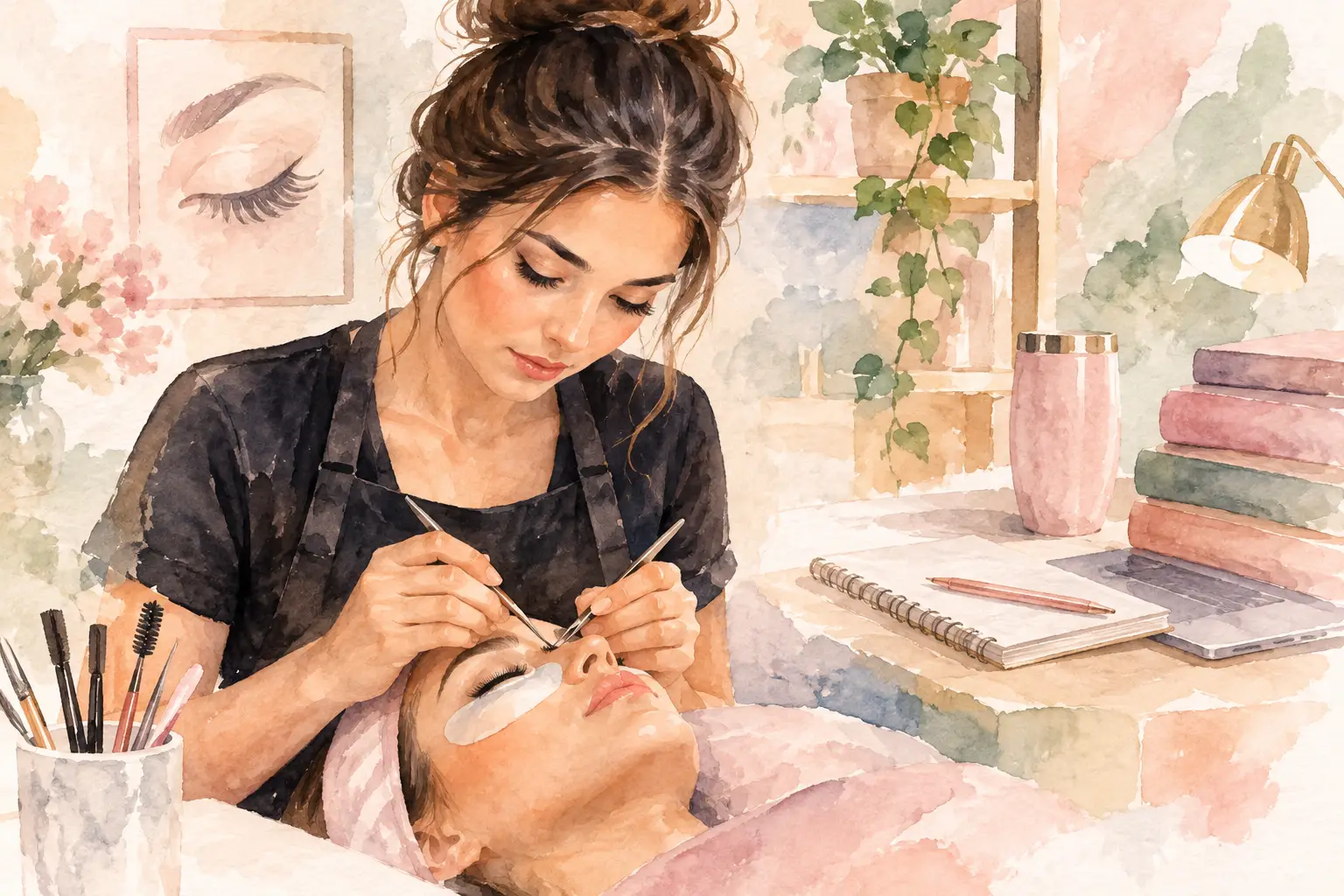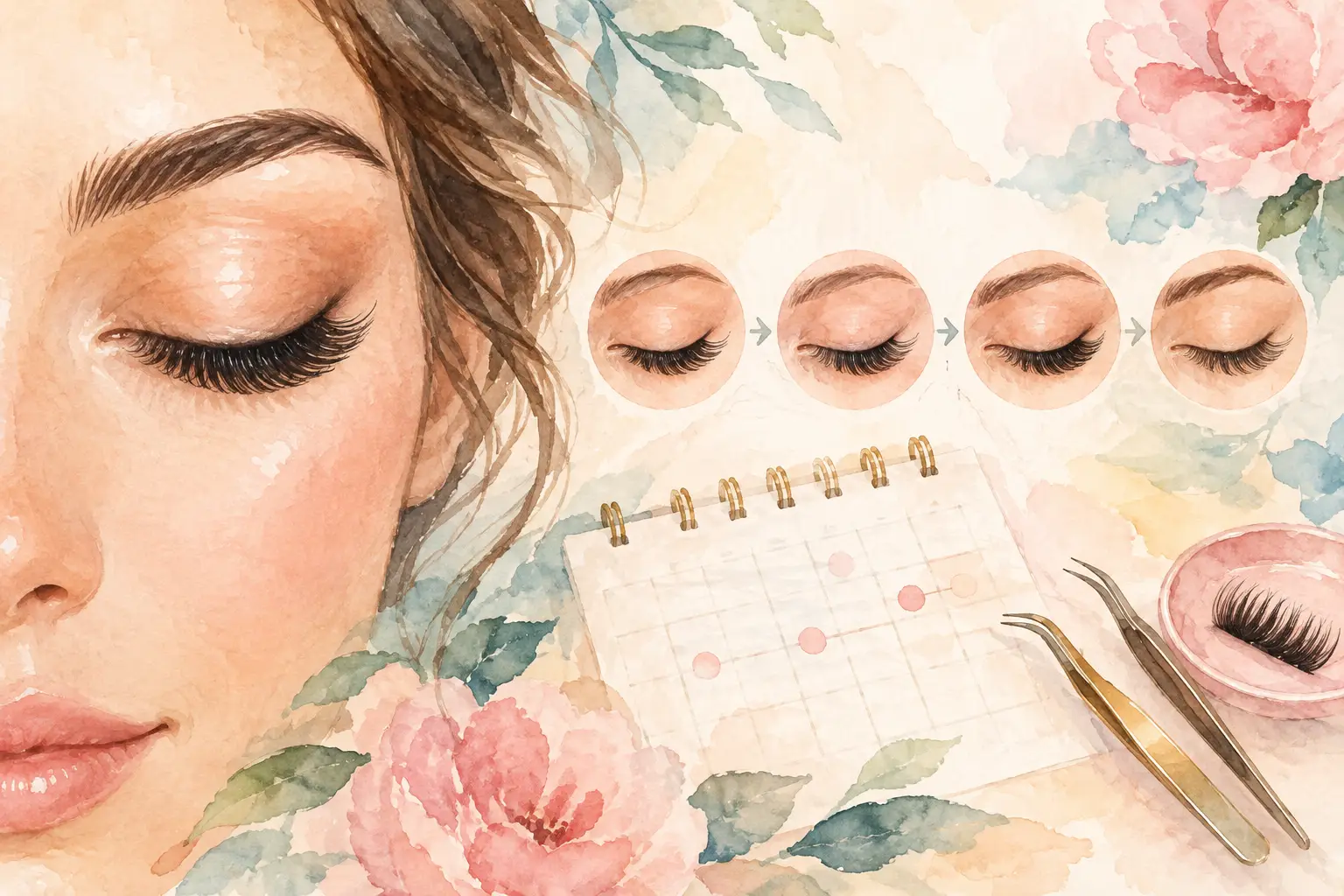
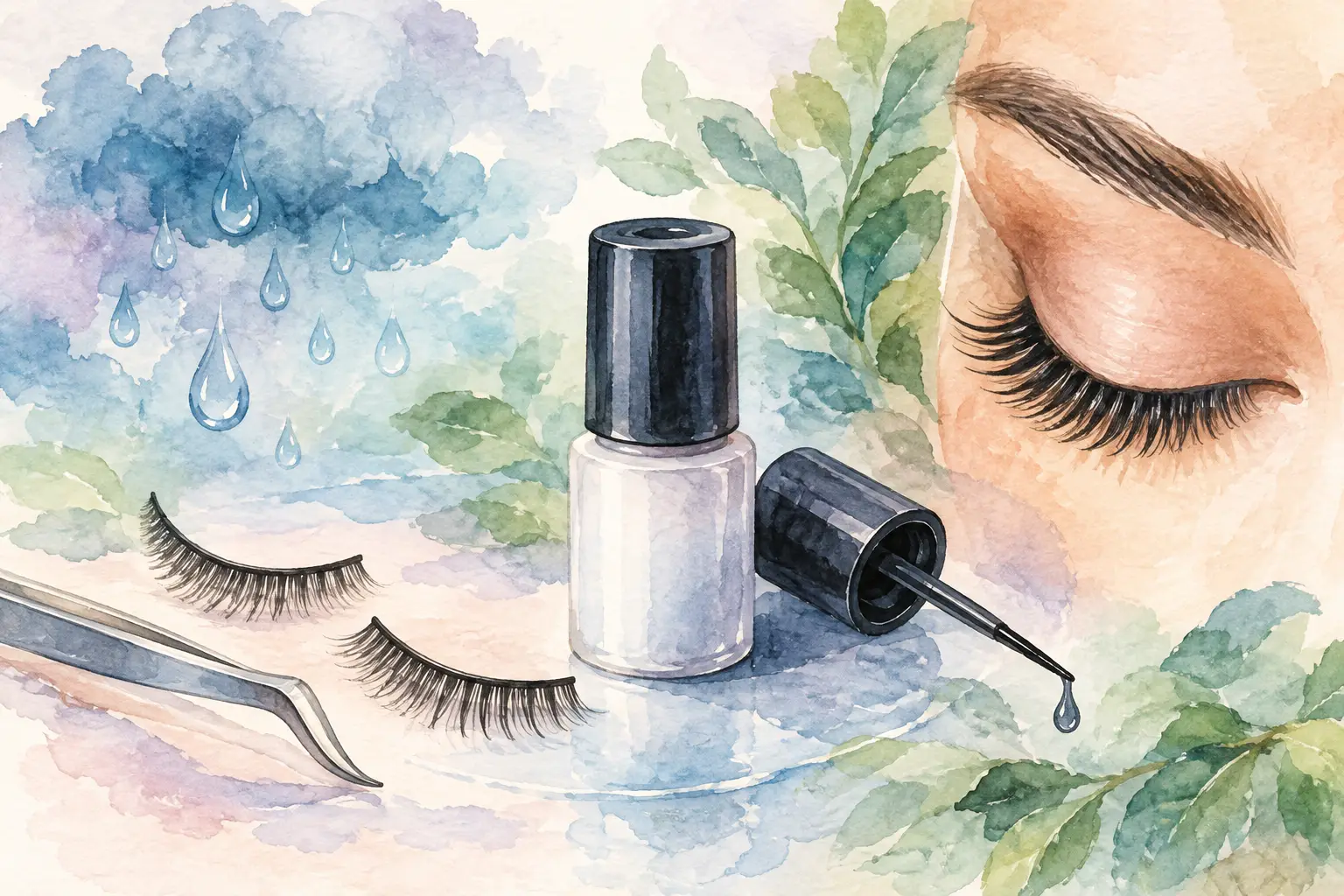
A glue that performs beautifully on a mild, dry morning can become frustrating by a humid afternoon. That is why a real lash adhesive for humidity review needs to look beyond a quick dry-time claim. For lash artists, the right adhesive should support clean attachment, dependable retention, and a comfortable appointment pace even when moisture levels shift throughout the day.
Humidity is not a minor detail in lash application. It directly affects how cyanoacrylate adhesive cures. In Indianapolis, where weather can change quickly from dry indoor heat to warm, muggy conditions, understanding your adhesive environment protects both your work and your client experience.
Lash Adhesive for Humidity Review: What to Assess
The best adhesive is not automatically the one with the fastest advertised dry time or the strongest hold on the label. It is the one that performs predictably in your actual treatment space. Before choosing a glue for humid conditions, assess the manufacturer’s recommended humidity range, ideal room temperature, cure speed, fume level, and viscosity.
Most professional lash adhesives are designed to work within a stated humidity range. When the room is more humid than that range, the adhesive may cure too fast. You can lose the ability to create a clean, secure attachment because the glue begins setting before the extension is fully placed. When the air is too dry, curing slows down, increasing the chance of stickies, poor bonding, and lashes that shift before the adhesive sets.
A reliable humidity adhesive should give you enough working time to place the extension with intention, then cure efficiently once it is attached. That balance matters whether you create a soft classic set or a full, textured volume look.
Fast-Drying Glue Is Not Always Better
A fast adhesive can be helpful for experienced artists who work quickly and maintain tight environmental control. In high humidity, though, a very fast formula can become unforgiving. The adhesive may skin over on the natural lash or begin curing on the extension before proper placement is complete.
For many artists, a medium dry-time adhesive is the more practical choice during humid months. It provides a little more flexibility without forcing the artist to slow down excessively. Beginners, students, and artists working in shared suites often benefit from a slightly slower adhesive because it offers more control as room conditions change.
The goal is not to chase speed. The goal is consistent attachment.
Viscosity Matters for Clean Attachment
Thin adhesives can work well for classic and volume techniques because they create a lightweight bond when used correctly. They also require careful dipping and placement. In high humidity, a thin adhesive may cure especially quickly, so you may need smaller, fresher glue beads and more frequent replacement.
A slightly thicker formula may feel easier to control for some applications, particularly when building a stable base for handmade fans. However, too much adhesive can create bulky bonds and affect retention. The best formula is one that allows you to form a smooth, minimal bond without compromising your placement speed.
How Humidity Changes Lash Retention
Humidity affects the cure process, but retention is never about glue alone. A professional set depends on isolation, natural lash preparation, correct attachment direction, suitable extension weight, and thorough aftercare. Adhesive is a major piece of the retention puzzle, not the entire puzzle.
In a humid room, excessive moisture can cause an adhesive to cure before it fully wraps or connects with the natural lash. The attachment may look acceptable at first glance but lack the contact needed for lasting retention. On the other hand, overly dry air can leave adhesive uncured longer than expected, allowing lashes to move or bond to neighboring lashes.
This is why guessing is expensive. A small digital hygrometer gives artists immediate information about their room. If your adhesive is rated for a moderate humidity range and your studio is operating far above it, technique adjustments alone may not solve the issue. You may need to adjust the room environment, select an adhesive formulated for higher humidity, or choose a slower dry-time option.
At Lash Therapy Indy, premium results begin with clean, intentional application. Monitoring the environment is part of professional service, just like sanitizing tools, isolating every natural lash, and customizing a set for the client’s natural lash health.
What a High-Humidity Adhesive Should Deliver
An adhesive suited to humid conditions should provide predictable performance rather than surprise speed. Look for a clearly stated humidity range that matches the environment you can realistically maintain. If your suite regularly reaches higher humidity in summer, choose a formula designed for that range instead of trying to force a dry-climate adhesive to work.
It should also offer a dry time that matches your experience level. A seasoned artist may work confidently with a quicker formula, while a newer artist may get better retention from a glue that allows a fraction more placement time. There is no benefit to using an advanced-speed adhesive if it causes premature curing and inconsistent bonds.
Fume sensitivity is another important consideration. Faster, stronger formulas can sometimes have a more noticeable odor or vapor during application. Client comfort matters. Work in a clean, well-ventilated treatment space, follow the product instructions, and never treat discomfort as something a client simply has to tolerate. If a client has known sensitivities, discuss options before starting the service and use professional judgment.
Practical Adjustments for Humid Lash Days
Your adhesive performs best when your technique and environment support it. First, use a hygrometer and check it before every appointment. Room humidity can change when doors open, air conditioning cycles, or heavy rain moves in. Knowing the number is more useful than assuming the room feels normal.
Keep your adhesive storage consistent. Unopened bottles should be stored according to the manufacturer’s instructions, usually in a cool, dry place away from sunlight and moisture. Once opened, use the supplied nozzle pin or cap, wipe the nozzle clean, and keep the bottle upright in an airtight adhesive container with the appropriate desiccant. Refrigerating an opened bottle without following the brand’s directions can introduce condensation and create problems.
During appointments, replace your glue drop regularly. In high humidity, adhesive can cure or thicken on the palette sooner than expected. A fresh drop supports cleaner dipping, smoother attachment, and more consistent use of product. If your drop becomes stringy, gummy, or unusually thick, replace it rather than trying to make it work.
Primer, cleanser, and bonder should also be used with care. Properly cleansing the natural lashes removes oils, makeup residue, and debris that interfere with bonding. But using too much product or applying it without allowing appropriate drying time can create a different moisture issue. Follow each product’s professional directions and keep preparation intentional.
Common Mistakes When Reviewing Humidity Adhesives
One common mistake is blaming adhesive for every retention concern. If multiple clients experience early shedding, review your full process: cleanse, isolation, attachment distance, extension weight, direction, adhesive age, room humidity, and home care. This gives you a real answer instead of a quick assumption.
Another mistake is changing everything at once. If you switch adhesive, alter your primer, change your fan technique, and raise room humidity in the same week, you will not know which adjustment helped or hurt. Test one variable at a time. Track the room conditions, adhesive used, dry time, and client retention feedback for several appointments.
Finally, do not use an adhesive beyond its recommended opened-bottle life simply because it still dispenses. Adhesive quality can decline after exposure to air and moisture. A bottle that looks fine may no longer deliver the same curing behavior or retention you expect.
Choosing the Right Glue for Your Studio
A humidity-ready adhesive is worth choosing carefully because it affects service quality, appointment flow, and client confidence. Read the product specifications closely, match the formula to your room conditions and skill level, and give yourself time to test it with disciplined notes.
For clients, this attention to detail means a more polished set, a comfortable service, and better support between fills. For aspiring artists, it is one of the practical lessons that separates simply applying extensions from building a professional lash career. The most beautiful lashes are created when artistry, sanitation, product knowledge, and consistency work together.
When the weather turns sticky, do not let your adhesive make the decisions for you. Measure your environment, choose a formula that fits it, and create every set with the care your clients can see and feel.