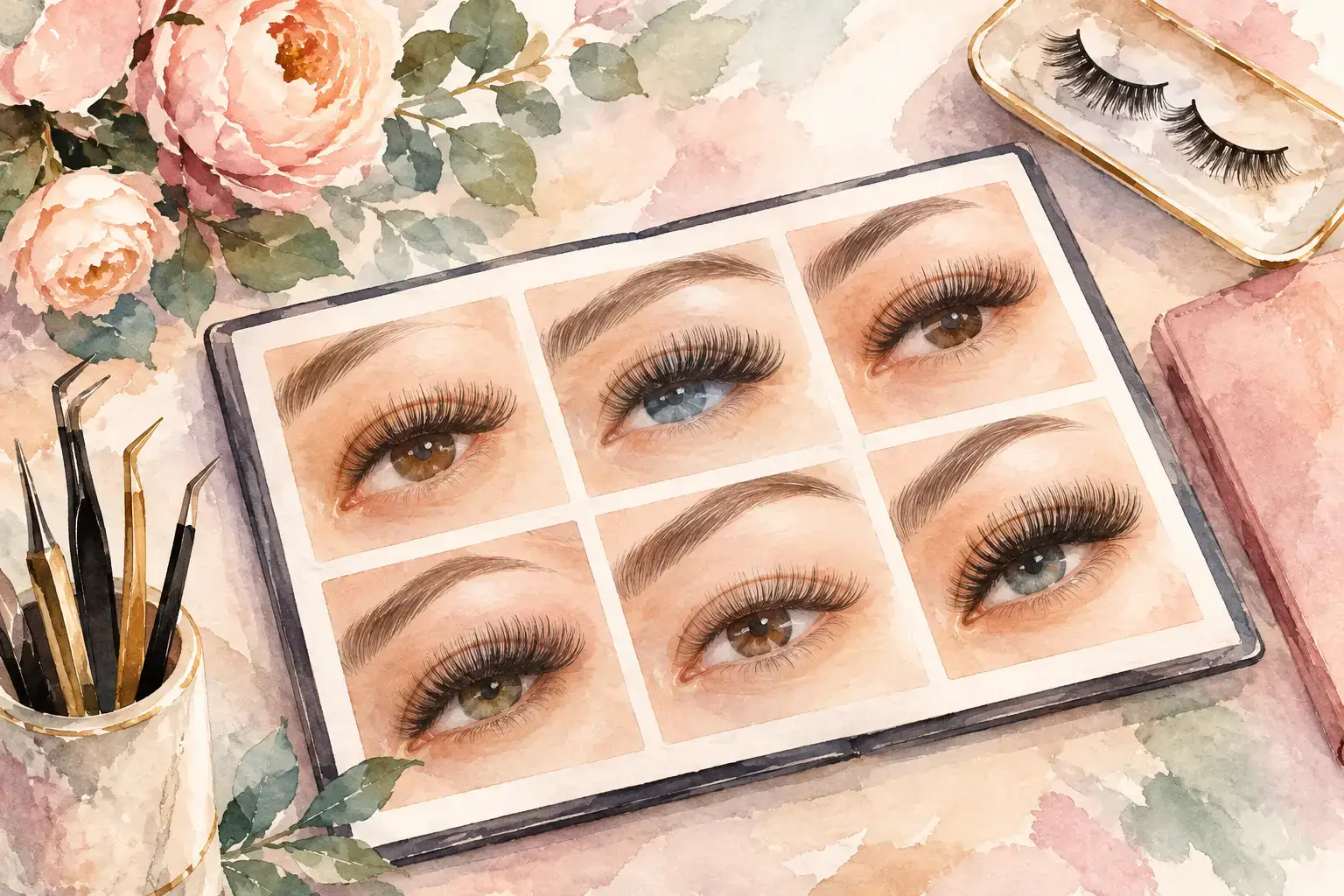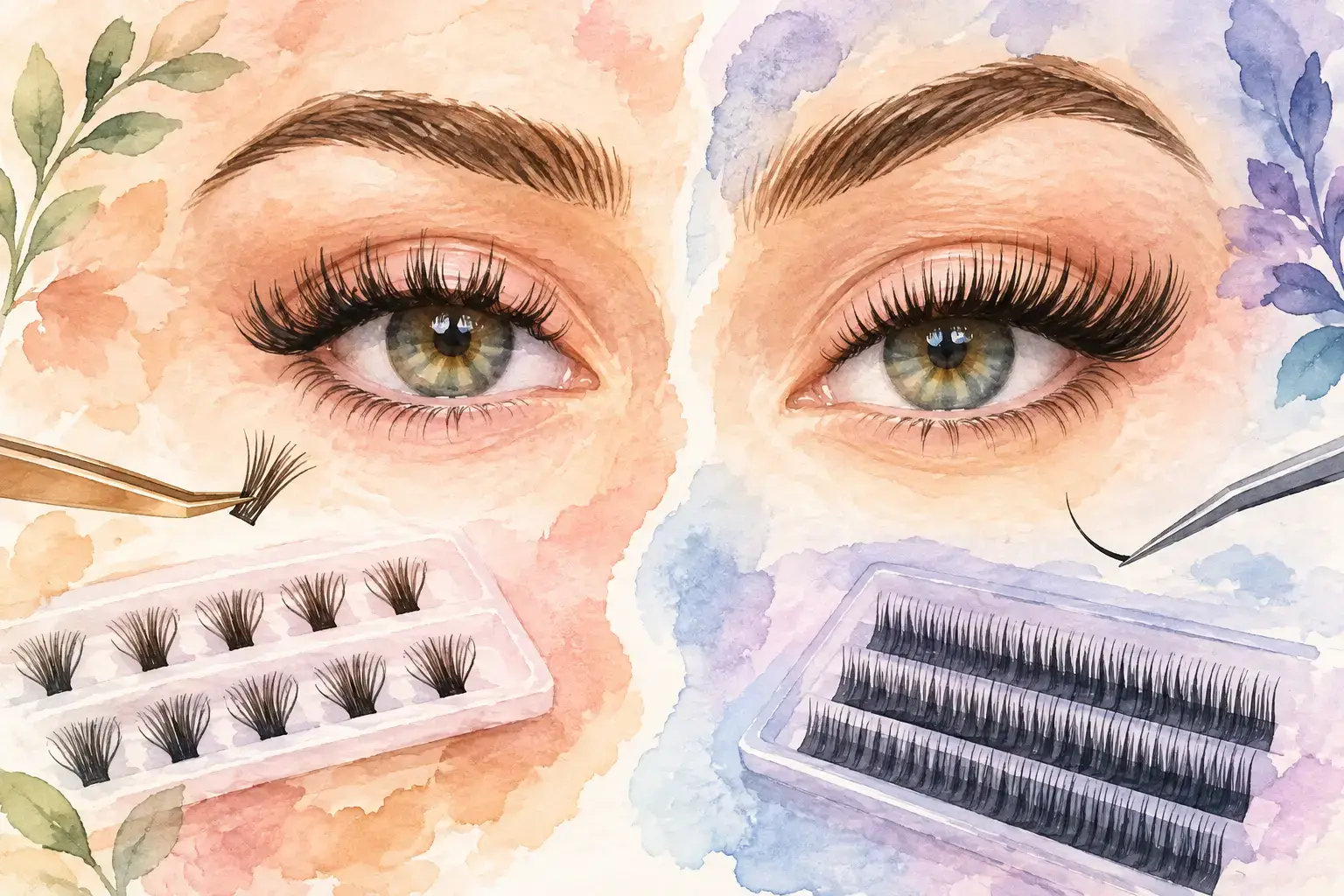
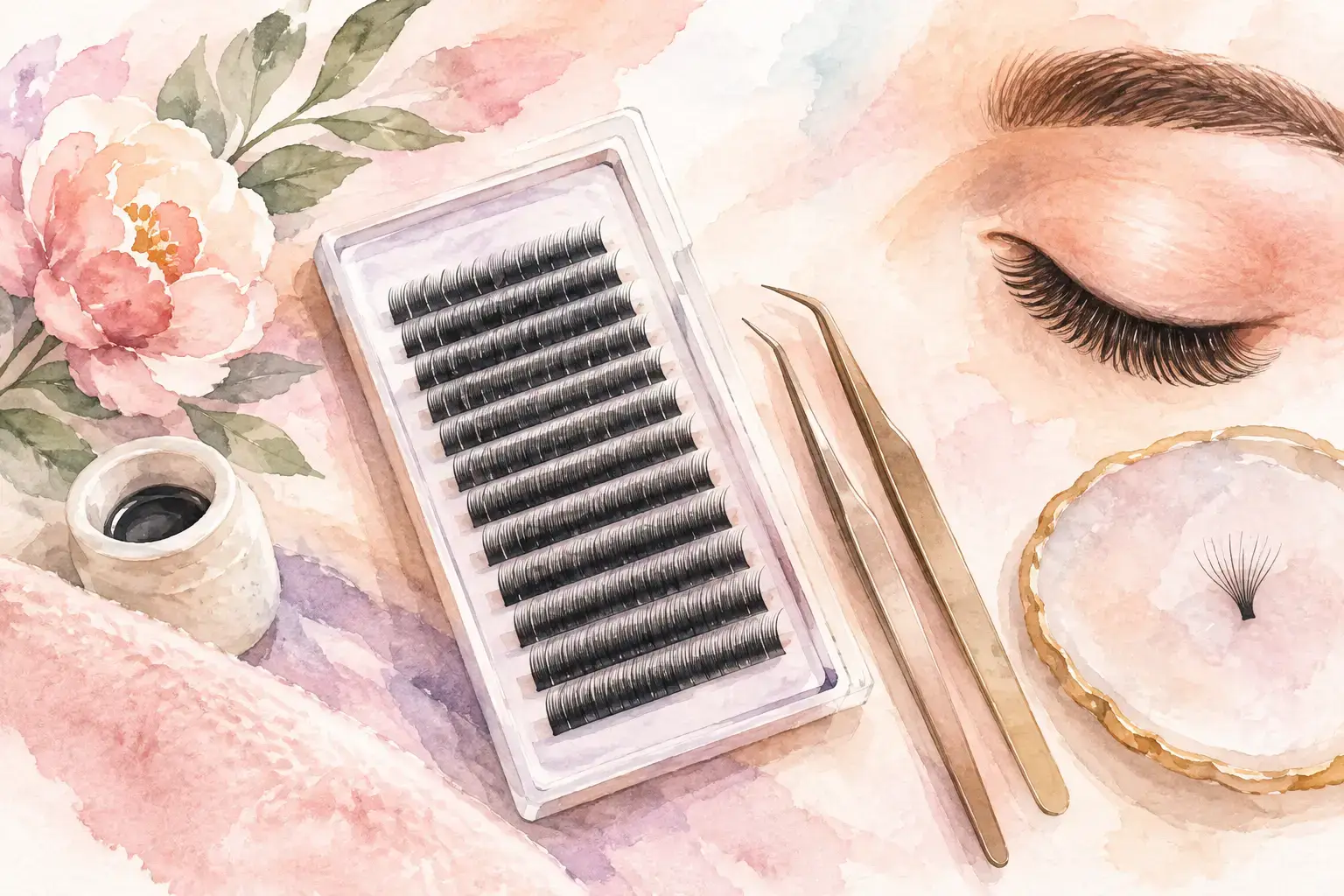
A classic set only looks effortless when every extension is easy to isolate, place, and blend. The best lash trays for classics give artists consistency from strip to strip, helping create a refined lash line that feels lightweight for the client and polished in every photo.
Classic lashing is often called the foundation of lash artistry for good reason. With one extension applied to one natural lash, there is nowhere for uneven lengths, inconsistent curls, or bulky fibers to hide. Your tray choice affects your pickup, your speed, your retention, and the finished result your client sees in the mirror.
What Makes a Lash Tray Right for Classic Sets?
A quality classic lash tray should support clean, controlled application. That starts with fibers that release smoothly from the strip without bending, twisting, or leaving adhesive residue on the base. If an extension is difficult to remove, it slows your workflow and can cause unnecessary hand tension. If it releases too easily, it may flip on your tile or lose its intended shape before placement.
For classics, consistency matters more than having the largest possible assortment. Every row should have a reliable curl, a uniform diameter, and a tapered tip that creates definition without looking stiff. Premium synthetic lash fibers are generally the preferred choice because they hold their curl well, offer a consistent black finish, and allow artists to build a customized look with confidence.
The strip itself matters, too. A tray with clear labeling and organized rows keeps your workspace efficient. When a client is comfortably reclined and you are moving through an intricate styling map, you should not have to stop and guess whether you picked up a 10 mm or 11 mm extension.
Best Lash Trays for Classics: Start With Diameter
For most classic extension sets, 0.15 mm and 0.18 mm lashes are the most practical options. They deliver the visible definition clients expect from classics while remaining appropriate for many healthy natural lashes. The right choice depends on the client’s natural lash strength, density, and desired finish.
A 0.15 mm tray is a dependable professional staple. It creates a soft, mascara-like effect and gives you flexibility across a wide range of natural lash types. It is a smart choice for clients who want a natural everyday set, for first-time extension clients, and for artists who want to prioritize lightweight comfort.
A 0.18 mm tray can create a slightly darker, more noticeable classic set. It works best when the client has healthy, stronger natural lashes that can safely support it. The added presence can be beautiful for clients who regularly wear eyeliner or mascara and want a more defined look without moving into a hybrid set.
Many experienced artists keep both on hand. The tray is only one part of the decision. A proper consultation and natural lash assessment should always determine what can be applied safely. Heavier is not automatically better. A comfortable, well-balanced set that protects natural lashes is the standard worth maintaining.
Choose Curls That Match the Client’s Features
Curl selection can transform the mood of a classic set. The most useful trays for everyday lashing usually include C and D curls because they suit many eye shapes and client preferences.
C curl creates a gentle, natural-looking lift. It is ideal for clients who want their lashes to look enhanced but not overly dramatic. It also pairs beautifully with professional, low-maintenance beauty routines, making it a popular choice for busy clients who want to wake up looking put together.
D curl offers more visible lift and is often chosen for clients who love an open-eye, polished glam effect. It can be especially flattering on clients with naturally straight lashes, but placement must be precise. Too much curl, or a curl that does not complement the natural lash direction, can affect the bond and make the set look less cohesive.
Some clients need more than a standard C or D curl. L and L+ curls can help create lift for certain downward-growing natural lashes or hooded eye shapes, but they require thoughtful styling and advanced application control. A tray collection does not need every curl to be professional. It needs the curls you can use confidently and safely.
Don’t Choose Curl by Trend Alone
A dramatic curl may look striking on a lash map, but the best result is always personalized. Consider the client’s eyelid space, natural lash angle, eye shape, and lifestyle. A classic set should enhance the eyes without feeling heavy, pokey, or difficult to maintain.
Why Mixed-Length Trays Are a Smart Investment
Mixed-length trays are among the best choices for classic artists because they make customized styling practical without filling your workspace with single-length trays. A tray that includes a thoughtful range, such as 7 mm through 13 mm, covers many natural lash lines and gives you room to create texture, transitions, and tailored mapping.
Shorter lengths are essential for inner corners and lower-density areas. Skipping them can leave a set looking unfinished or force you to use a length that overwhelms delicate natural lashes. Mid-range lengths often do most of the work through the center of the eye, while longer lengths can create a controlled peak, cat-eye effect, or soft outer-corner extension depending on the client’s features.
A mixed tray is particularly useful for new lash artists building a professional kit. It allows you to practice mapping, identify the lengths you use most often, and serve a variety of clients before investing heavily in individual-length inventory. Once you notice that you regularly reach for specific lengths or curls, adding individual trays can help keep your busiest supplies stocked.
Look Closely at Fiber Finish and Taper
The appearance of a classic set depends on more than length and curl. A quality tray should offer a rich, even finish that does not look gray, overly shiny, or plastic-like under salon lighting. Most clients want lashes that appear soft and full while still looking believable from a conversational distance.
A fine tapered tip is especially valuable for classics. The base needs enough structure for a stable adhesive bond, while the tip should taper smoothly for an airy, elegant finish. Blunt or poorly tapered fibers can make the lash line look harsh and may create a heavier appearance than the client requested.
Also pay attention to whether the fibers hold their curl after removal from the strip. A lash tray can look great in its packaging but become frustrating during application if extensions lose shape, bend unpredictably, or vary from row to row. Reliable materials protect your timing and help you deliver consistent work from the first client of the day to the last.
Build a Classic Lash Tray Kit That Works in Real Appointments
A practical classic kit does not need to be excessive. It should give you coverage for natural sets, soft glam, and more defined classic styling while keeping product selection simple. For many artists, that means starting with 0.15 mm lashes in C and D curls, then adding 0.18 mm options for suitable clients with stronger natural lashes.
Keep mixed lengths available first, then restock the lengths you use most. This approach saves money, reduces waste, and keeps your lash cart organized. It also helps prevent a common beginner mistake: buying a large variety of trays before understanding what your client base actually requests.
Your setup should support sanitation as well as artistry. Clean your lash tile or palette between clients, protect open trays from dust and debris, and label products clearly. Extensions should be handled with clean, sanitized tweezers and applied only after a proper eye-area preparation. Great retention starts with correct cleansing, isolation, adhesive control, and aftercare education – not with a lash tray alone.
When to Replace a Lash Tray
Replace trays when fibers no longer perform consistently, when strips become contaminated, or when labels have become unclear. A tray may still contain plenty of lashes, but it is not worth risking a client’s comfort or the quality of your work if the product has been exposed to poor storage conditions.
Store lash trays away from direct sunlight, excess humidity, and open work areas where dust can collect. Keeping your products clean and organized reflects the same level of care clients expect from a professional lash studio. At Lash Therapy Indy, that commitment to premium artistry, sanitation, and thoughtful education guides every service and every product recommendation.
The best classic lash tray is the one that lets you work with precision while honoring the health of the natural lash. Choose quality fibers, keep your core diameters and curls purposeful, and let each client’s natural features lead the design. That is how a classic set becomes the kind of everyday beauty clients cannot wait to maintain.