Your lash set should still look polished days after your appointment, not feel itchy, clumped, or weighed down by makeup. The best lash aftercare products protect the bond between your natural lashes and extensions while keeping the eye area clean, comfortable, and healthy. A beautiful set starts with expert application, but the products you use at home make a real difference in retention.
For clients with busy schedules, aftercare does not need to mean a complicated routine. It means choosing a few professional-quality essentials, using them correctly, and avoiding ingredients that break down lash adhesive. Whether you wear a soft classic set or full volume extensions, this is what belongs in your lash routine.
Why Lash Aftercare Products Matter
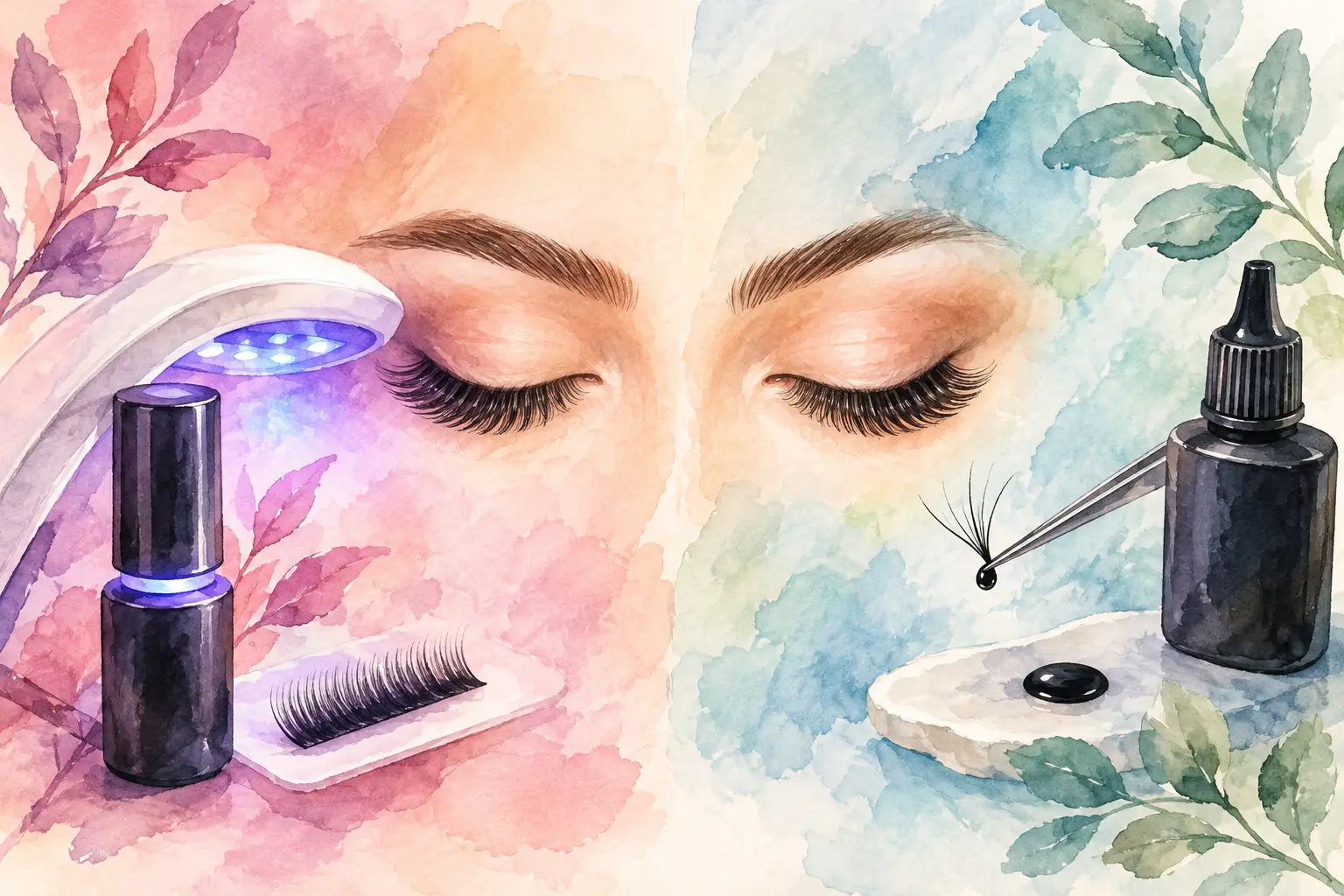
Lash extensions are applied individually or in handmade fans to your natural lashes with professional adhesive. Natural lashes shed as part of their normal growth cycle, and extensions shed with them. Proper aftercare cannot stop that natural process, but it can help prevent premature fallout caused by oil, residue, friction, or poor cleansing.
The wrong products can leave behind a film that weakens retention, makes lashes stick together, or creates buildup along the lash line. Buildup is more than a cosmetic issue. It can trap makeup, skin oils, and debris close to the eyes, leading to discomfort and an untidy appearance between fills.
High-quality aftercare supports three things clients care about most: cleaner lashes, better retention, and a fresher-looking set. It also makes your fill appointments more efficient because your lash artist can focus on safely refreshing your look instead of spending extra time removing residue.
The Best Lash Aftercare Products to Keep on Hand
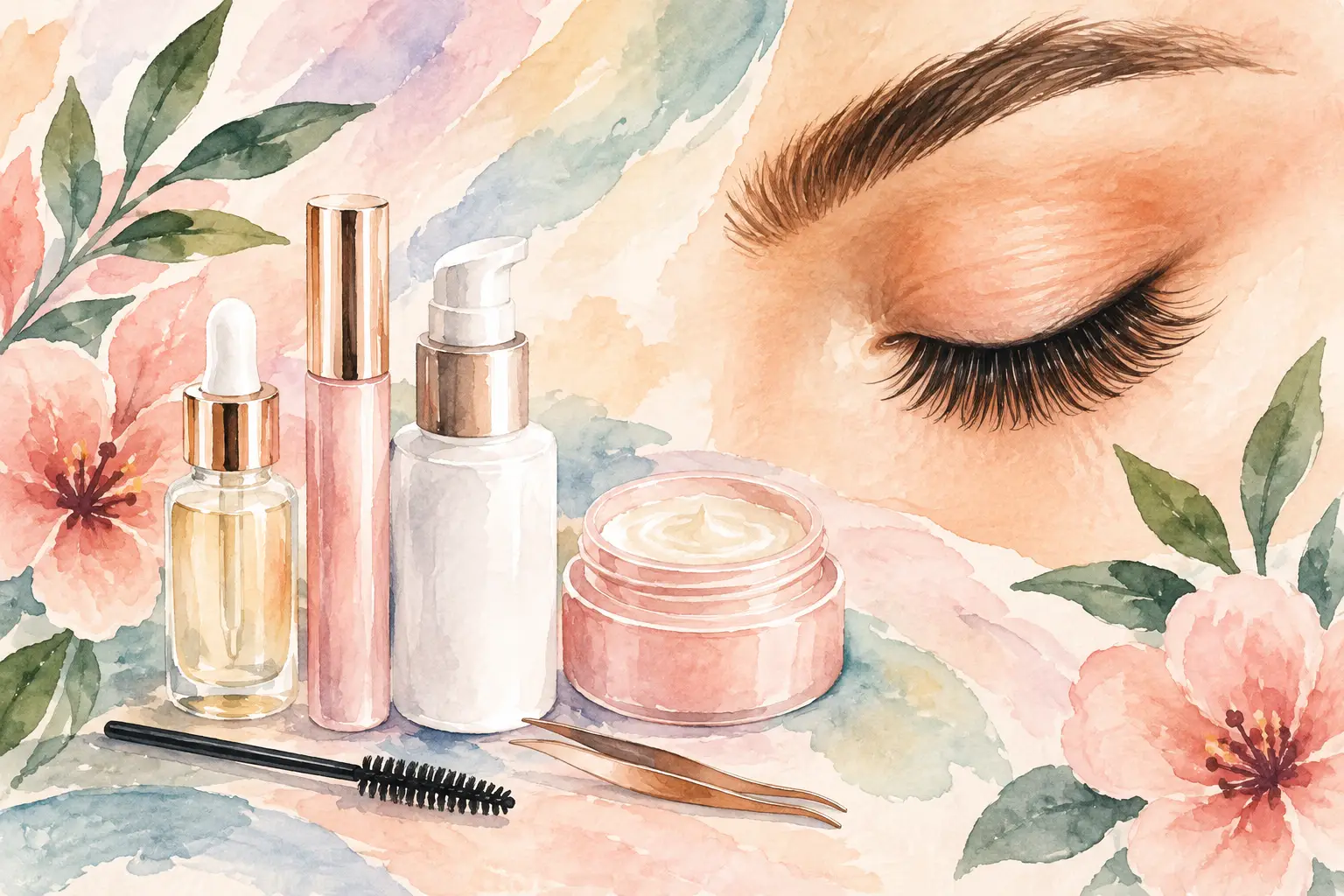
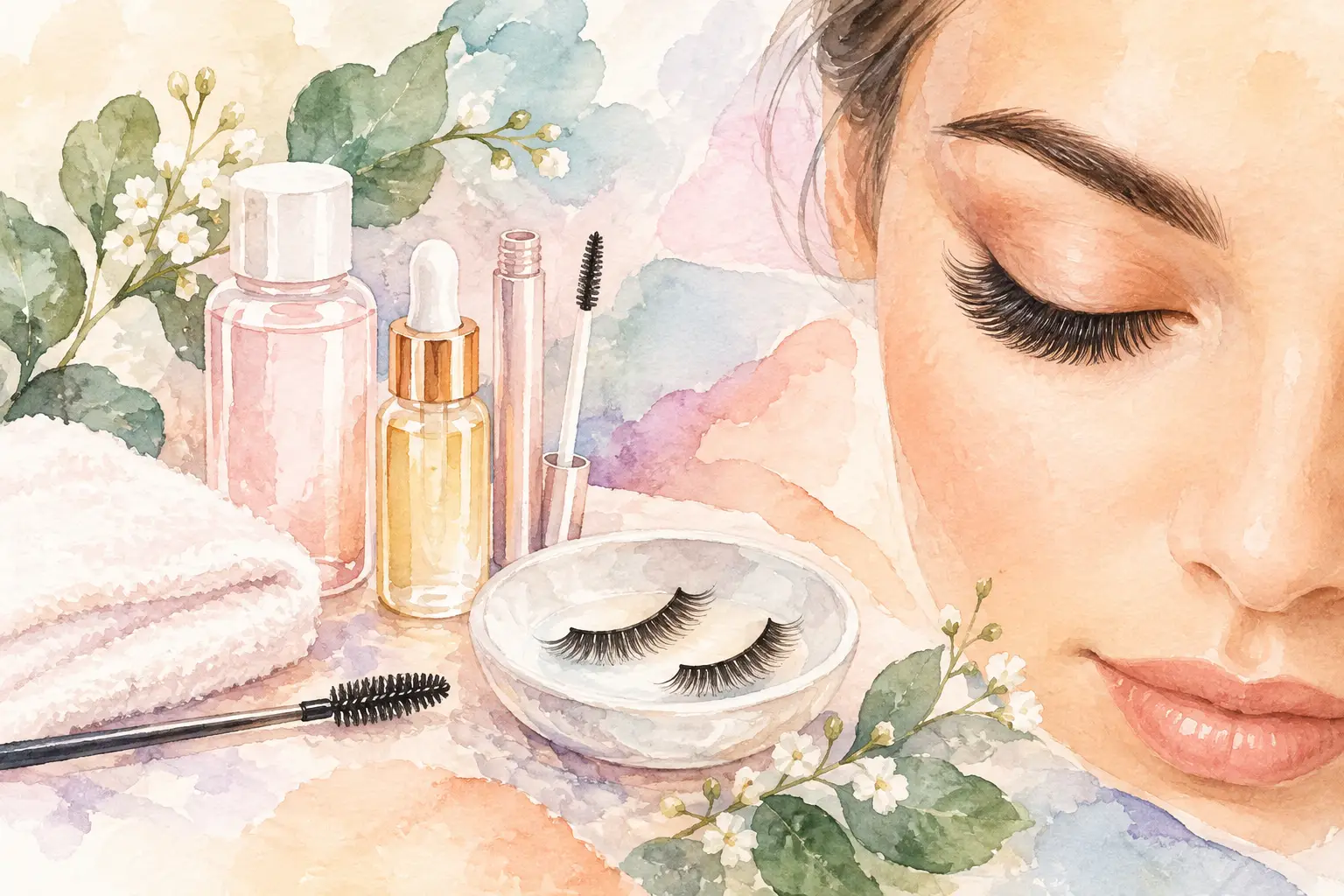
The right kit is simple. You do not need a bathroom cabinet full of products, but every extension wearer should have a gentle lash cleanser, a clean brush, and an oil-free eye makeup remover. Depending on your lifestyle, a lash sealant and a dedicated sleep accessory can be worthwhile additions.
Oil-Free Lash Cleanser
A professional lash cleanser is the foundation of good aftercare. Look for a formula made specifically for eyelash extensions that is oil-free, gentle around the eyes, and easy to rinse away. Lash shampoo is designed to remove daily oil, sweat, makeup residue, and environmental debris without unnecessarily disturbing the adhesive bond.
Foaming cleansers are popular because they are lightweight and easy to control. They work especially well for clients who wear eye makeup, work out regularly, have oily skin, or live an active lifestyle. The goal is clean lashes that feel soft and separated, never squeaky, dry, or coated.
Avoid using regular facial cleanser directly on your extensions unless your lash artist has confirmed it is extension-safe. Many face washes include oils, heavy moisturizers, exfoliating ingredients, or cleansing agents that are not intended for the lash line.
Soft Lash Cleansing Brush
A soft, small cleansing brush helps cleanser reach the base of the extensions, where buildup tends to collect. Choose bristles that are soft enough for the delicate eye area and avoid scrubbing aggressively. Gentle, controlled movement does the job better than pressure.
Use the brush to lightly work cleanser along the lash line with your eyes closed. Then rinse thoroughly with clean water and pat dry with a lint-free towel or allow your lashes to air-dry. A brush may seem like a small tool, but it can make a visible difference for clients who struggle with makeup residue or lash line buildup.
Oil-Free Eye Makeup Remover
If you wear eye makeup, choose an oil-free remover labeled safe for lash extensions. This product is especially useful for removing eyeliner, eyeshadow, and under-eye concealer without saturating the extensions. Water-based formulas are usually the safer choice because they lift makeup without leaving a heavy, slippery finish.
Waterproof mascara and long-wear eyeliner can be difficult to remove without rubbing, which puts unnecessary stress on your extensions and natural lashes. The easiest solution is to skip mascara on extensions altogether and select makeup that comes off gently. Lash extensions are meant to replace the need for mascara, so let your set do the work.
Lash Spoolie or Extension Brush
A clean spoolie is one of the simplest and most useful products in your routine. Brushing your extensions once or twice daily keeps lashes aligned, helps fans stay fluffy, and lets you spot a twisted extension before it becomes uncomfortable.
Brush only when lashes are clean and dry. Start at the middle to the tips, then gently guide the lashes into place. Do not force the spoolie through a snag or pull at an extension that looks out of position. Contact your lash artist if a lash feels pokey, painful, or unusually tangled.
Lash Sealant: Helpful, but Not for Everyone
A professional lash sealant can add an extra layer of support for some clients, particularly those with naturally oily skin, very active routines, or challenges with retention. It is not a replacement for cleansing, and it will not correct issues caused by picking, sleeping face-down, or using oily products near the eyes.
If you use a sealant, apply it sparingly and follow the instructions provided by your lash artist. Too much product can create a stiff, coated appearance. A personalized recommendation matters here because adhesive systems, extension types, skin type, and lifestyle all play a role in whether sealant is a good fit.
Products and Habits That Can Shorten Retention
Some of the biggest retention problems come from products that seem harmless. Oil-based makeup removers, cleansing balms, heavy eye creams, and facial oils can migrate to the lash line and interfere with the adhesive. You do not necessarily have to stop using every rich skincare product, but apply them carefully and keep them away from your extensions.
Avoid waterproof mascara, strip-lash glue, lash curlers, and any product that requires hard rubbing to remove. Mechanical curlers can damage both extensions and natural lashes, while mascara can create clumps that are difficult to clean safely.
Picking is another major concern. If an extension twists or starts to shed, it can be tempting to pull it free. That can remove a natural lash before it is ready to shed, leaving your lash line uneven and potentially causing damage over time. Let loose extensions shed naturally or have them professionally removed during a fill.
How to Use Lash Aftercare Products Correctly
After the timeframe recommended by your lash artist, cleanse your extensions daily or at minimum several times a week. Clients who wear makeup, exercise often, or have oily skin generally benefit from daily cleansing. Start with clean hands, apply a small amount of lash cleanser, and gently cleanse through the lashes and along the lash line with your eyes closed.
Rinse well. Leftover cleanser can cause irritation or leave lashes feeling stiff, so take a few extra seconds with this step. Pat the surrounding area dry, then allow extensions to dry fully. Once dry, brush them lightly with a clean spoolie.
Between cleanses, be mindful of friction. Sleep on your back when possible, use a smooth pillowcase, and avoid pressing your face into the pillow. After a shower, avoid blasting lashes with a towel or rubbing your eyes. These everyday details are often what separates a set that stays polished from one that looks sparse early.
Choosing Professional Products Over Random Alternatives
Not every product labeled “oil-free” is automatically appropriate for eyelash extensions. Some formulas still contain waxes, conditioning agents, or film-forming ingredients that leave buildup behind. Products formulated for professional lash care are made with extension retention, eye-area comfort, and clean removal in mind.
At Lash Therapy Indy, we recommend choosing aftercare based on your set, skin type, and routine rather than buying the first product you see at a general retailer. A client who wears a natural classic set and little makeup may need a very simple routine. A client with mega volume lashes, oily skin, and a daily workout schedule may need more consistent cleansing and a retention-supporting product plan.
Your lash artist should also be able to tell you exactly how long to wait before getting lashes wet, when to schedule fills, and which products work best with your adhesive and style. Clear aftercare guidance is part of a premium lash experience, not an extra.
When to Replace Your Lash Aftercare Tools
Replace spoolies regularly, especially if they collect makeup or are stored loose in a makeup bag. Wash your cleansing brush often and replace it when the bristles lose their softness or shape. If your lash cleanser changes smell, texture, or color, stop using it and replace it.
For most clients, a fresh supply of cleanser and clean tools before each fill appointment is a practical rhythm. Clean products make it easier to maintain clean lashes.
The best results come from treating your extensions as part of your everyday self-care, not something to think about only when a fill is due. A few gentle minutes of care can help your lashes stay comfortable, clean, and ready for every close-up.