That slightly itchy, heavy feeling at your lash line is not something to ignore. Makeup residue, natural oils, sweat, and skincare can collect between extensions quickly, especially when you wear fuller sets. Consistent lash extension cleaning keeps your lashes comfortable, polished, and better prepared to stay in place between fills.
Clean lashes are not just about appearance. They are part of protecting your natural lashes and supporting the clean, premium results you invested in. Whether you wear a soft classic set or a dramatic volume set, the right routine makes a noticeable difference in how fresh your lashes look and how well they retain.
Why Lash Extension Cleaning Matters
Eyelash extensions sit close to the lid margin, where your skin naturally produces oil. Throughout the day, your lashes can also pick up foundation, powder, eyeliner, sunscreen, tears, and airborne debris. Without regular cleansing, that buildup can make extensions look clumped, dull, or uneven.
More importantly, residue near the lash line can create discomfort and affect the health of the area around your eyes. Clean lashes help reduce the chance of buildup becoming a bigger issue. If you notice persistent redness, swelling, pain, or discharge, remove eye makeup, stop using new products around the area, and contact a qualified medical professional. A lash appointment is not a substitute for medical care.
For retention, cleanliness matters because oils and residue can interfere with the adhesive bond over time. Cleaning will not stop normal shedding – your natural lashes have a growth cycle, and extensions shed with the natural lash they are attached to. However, a clean lash line gives your extensions the best possible environment to remain neat and wearable until your next fill.
How Often Should You Clean Lash Extensions?
For most clients, once daily is the right standard. Nighttime is ideal because it removes the day’s makeup, skincare residue, oil, and debris before you sleep. If you exercise, swim, work in a humid environment, or wear eye makeup, you may benefit from a gentle cleanse after those activities as well.
There is one exception: the first 24 hours after a fresh full set or fill. Follow the aftercare instructions from your lash artist, as adhesive recommendations can vary. After that initial window, water and proper cleansing are your friends. The old idea that extensions should never get wet often leads to poor hygiene and unnecessary buildup.
If you are a busy professional, a mom on the move, or someone who loves a low-maintenance beauty routine, keep your cleanser where you will actually use it. Near your toothbrush, beside your nighttime skincare, or in your gym bag can be the difference between occasional cleaning and a habit that protects your investment.
A Safe Daily Lash Extension Cleaning Routine
The best routine is gentle, consistent, and product-conscious. You do not need to scrub hard or use a complicated collection of products. You need a lash-safe cleanser, clean water, and a soft brush designed for extensions.
Start with clean hands
Wash your hands before touching your face or lashes. This simple step helps prevent transferring oils, makeup, and bacteria to the eye area. Remove contact lenses first if that is part of your usual routine.
Use a lash-safe, oil-free cleanser
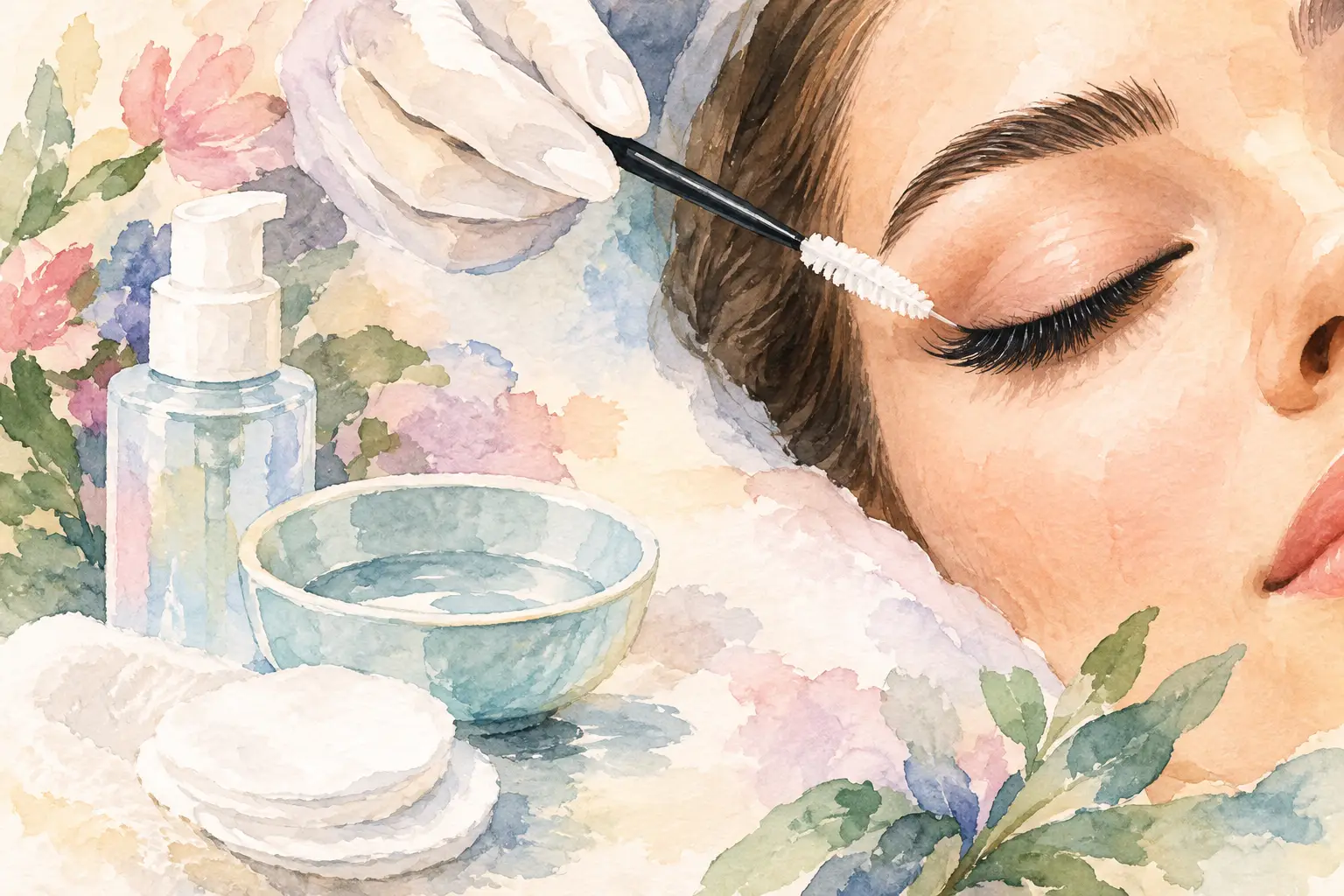
Apply a small amount of professional lash shampoo or an oil-free cleanser formulated for eyelash extensions to a clean lash cleansing brush. Foam cleansers are often easy to control because they stay where you place them instead of running into the eyes.
Close one eye at a time. With light pressure, work the cleanser over the lid and through the extensions using small downward and outward movements. Focus at the base of the lashes, where makeup and oil collect. Be gentle but thorough. Skipping the lash line defeats the purpose of cleaning.
Rinse completely and blot dry
Rinse with cool to lukewarm water until all cleanser is gone. Leftover cleanser can feel irritating, so take an extra moment here. Gently blot the eye area with a clean, lint-free towel or allow the lashes to air dry.
Avoid rubbing with a regular bath towel, tissue, or cotton pad. Fibers can catch on extensions, and aggressive rubbing can twist or pull them.
Brush only when lashes are dry
Once your extensions are dry, use a clean spoolie to brush them into place. Start near the middle and lightly guide the lash fibers upward. Do not force the brush into the base of the lashes or repeatedly brush an area that feels tangled.
A few seconds of brushing helps a classic set stay defined and helps volume fans look fluffy rather than crossed. If you have a stubborn twist or a lash that seems loose, resist the urge to pull it. Let your lash artist assess it at your next appointment.
Products and Habits That Can Affect Retention
Not every product labeled gentle is extension-friendly. Oil-based makeup removers, cleansing balms, heavy facial oils, and some waterproof eye products can leave residue that is difficult to remove. They may also affect adhesive retention, particularly when used frequently near the lash line.
This does not mean you have to give up skincare. It means placement matters. Apply richer eye creams carefully below the orbital bone rather than directly on the eyelids or lash line. Let serums and moisturizers absorb before bed so they are less likely to transfer onto your lashes.
Be cautious with mascara. Most extension clients do not need it, especially with a customized set that provides the right amount of length and fullness. If you choose to wear mascara on classic extensions, use only a water-based formula approved by your lash artist and apply it lightly to the tips. Never use waterproof mascara or a lash curler on extensions.
The same care applies to makeup removal. Avoid cotton pads, wipes that leave a slippery film, and tugging motions. A lash-safe cleanser paired with a soft brush is more effective and much gentler on both your extensions and natural lashes.
Common Cleaning Mistakes to Avoid
The biggest mistake is waiting until lashes look dirty. Buildup starts before it becomes visible, so daily cleaning is more effective than an occasional deep clean. Another common mistake is using baby shampoo. While it was once widely suggested, it is not designed specifically for extension adhesive or the delicate eye area, and formulas can vary.
Avoid picking at flakes, pulling out loose extensions, or trying to separate stuck lashes with tweezers at home. Extensions should be isolated and applied professionally. Pulling can remove a natural lash prematurely or damage the remaining extensions.
Sleeping position can also influence how your lashes look. Side and stomach sleepers may notice more flattening or shedding on the side that meets the pillow first. A silk or satin pillowcase can reduce friction, but it does not replace cleansing or regular fills. If one side consistently wears faster, mention it to your lash artist so your styling and maintenance plan can be adjusted.
When to Schedule a Fill or Ask for Help
Even with excellent aftercare, extensions need maintenance. Most clients schedule fills every two to three weeks, depending on their natural lash cycle, set style, lifestyle, and how full they prefer to look. A volume set may show gaps differently than a classic set, so your ideal refill schedule is personal.
Contact your lash professional sooner if you experience unusual irritation, significant tangling, lashes sticking together, or a sudden change in retention. Do not attempt a home removal. Professional removal is the safest way to take off extensions when needed.
At Lash Therapy Indy, we believe beautiful lashes should also feel clean, comfortable, and cared for. A properly customized set, professional application, and consistent home care work together to give you the best-looking results.
Make your nightly lash cleanse a small moment of care, not another chore. A clean lash line, a gentle brush, and the right products can help you wake up looking polished and ready for whatever your day brings.