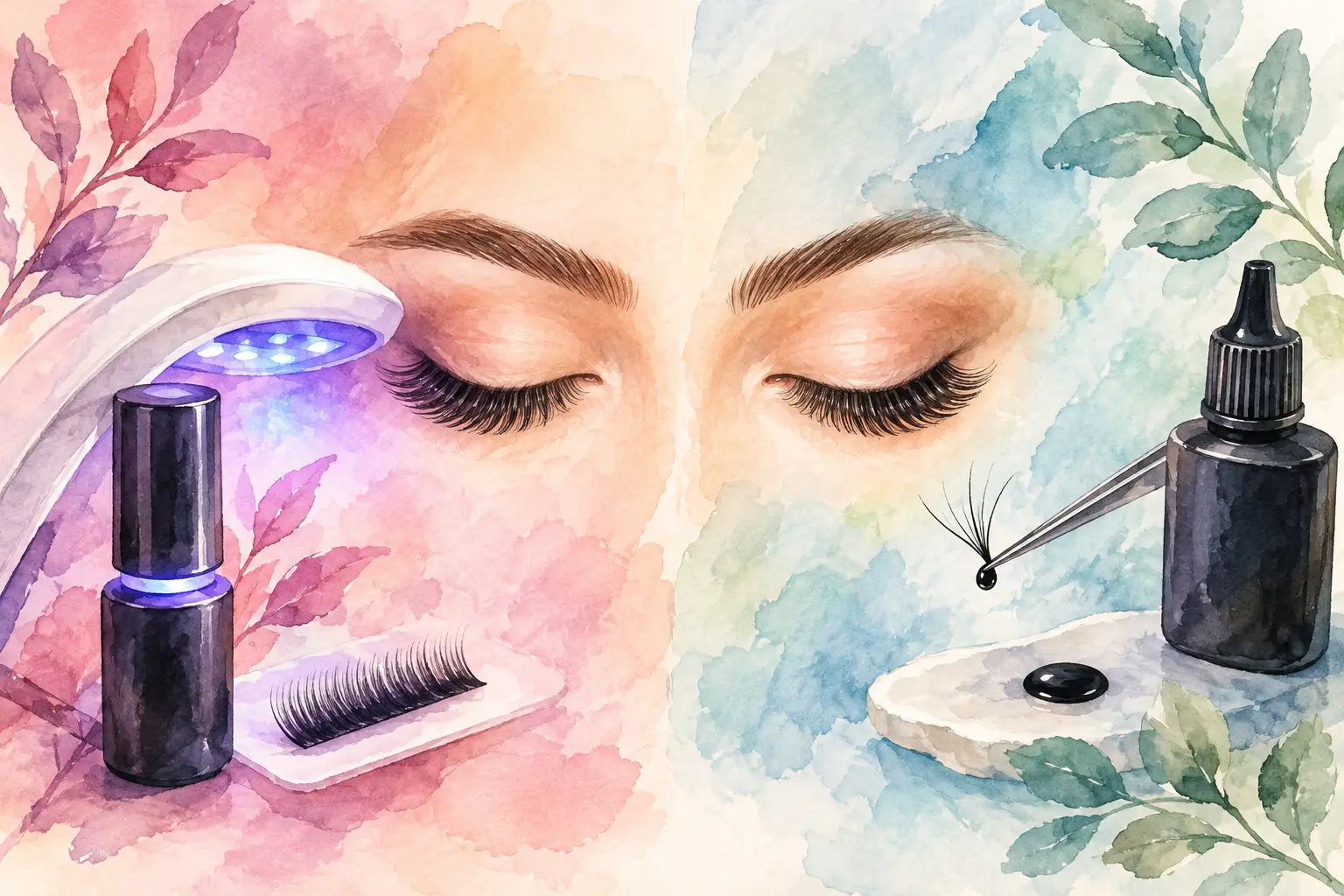
Watery eyes during a lash appointment, itching along the lash line, or redness that lasts beyond a few hours can turn a beauty routine into a real concern. A lash adhesive for sensitive eyes review should do more than promise a gentle formula. It should help you understand what may be causing discomfort, what a professional can adjust, and when eyelash extensions are not the right choice until your eyes have settled.
For clients who love the convenience of waking up polished without mascara, sensitivity does not automatically mean you have to give up extensions. It does mean your adhesive, application environment, aftercare, and lash artist’s technique all deserve closer attention.
Lash Adhesive for Sensitive Eyes Review: Start With the Facts
The first thing to know is that most professional lash extension adhesives use cyanoacrylate as their primary bonding ingredient. This is what creates the durable bond between the natural lash and the extension. Many adhesives marketed for sensitive clients may have a lower fume level, a slower dry time, or a modified formula, but they are not guaranteed to be allergy-proof.
That distinction matters. A formula that feels more comfortable for one client may still irritate another. “Sensitive” can describe several different reactions, including temporary fume irritation, a reaction to under-eye pads or tape, dry eye symptoms, seasonal allergies, or a true allergic response to adhesive ingredients. The best review is not based on a label alone. It looks at how the adhesive performs within a clean, controlled, professional service.
A quality sensitive-eye adhesive should offer a workable dry time, low noticeable fumes, consistent retention, and a finish that does not require using excess glue. The goal is not simply a softer formula. The goal is a safe, precise application that supports your natural lashes and your comfort.
What Makes Eyes Feel Irritated After Extensions?
Fumes are a common reason clients experience watering or stinging during an appointment. Adhesive cures through moisture in the air, and the curing process can release vapors. If the eyes are not fully closed, the room humidity is off, or the adhesive is used too heavily, those vapors can become more noticeable.
Technique also has a major role. Extensions that are attached too close to the skin can poke, pull, or create ongoing discomfort. Lashes that are stuck together can tug as natural lashes grow at different rates. Neither issue is a reason to push through irritation. Proper isolation, correct placement, and appropriate styling are essential for comfort as well as a polished result.
Sometimes the adhesive is not the problem at all. Hydrogel pads, gel patches, tape, lash shampoo residue, eye makeup, and even a client’s skincare products can contribute to irritation. If your eyes tend to react easily, tell your lash artist about previous reactions, current allergy symptoms, contact lens use, prescription eye drops, and any recent eye procedures before the service begins.
How to Evaluate a Sensitive-Eye Adhesive
A professional adhesive should be reviewed in context, not just by its bottle claims. Lash artists need an adhesive that matches the temperature and humidity in their workspace. An adhesive that cures too quickly for the artist’s placement speed can produce poor bonds. One that cures too slowly may lead to stickies, shifting, or too much product being applied in an effort to improve retention.
For clients, the signs of a thoughtful adhesive choice are simpler. Your artist should use fresh adhesive drops, maintain a clean work area, check that your eyes are fully closed, and monitor your comfort throughout the appointment. Premium service is built on details like proper ventilation, sanitized tools, clean lashes, and the discipline to avoid overloading extensions with adhesive.
A sensitive-eye formula can be a smart option for clients who have had mild, temporary fume discomfort in the past. However, lower-fume formulas often cure more slowly and may not provide the same retention in every environment. This is a reasonable trade-off when comfort is the priority, but it should be discussed honestly. More gentle does not always mean longer-lasting, and stronger retention is never worth eye discomfort.
A Patch Test Can Help, But It Is Not a Guarantee
A patch test may be appropriate for a client with a history of mild sensitivity or uncertainty about a new adhesive. During a patch test, a small number of extensions are applied and monitored for a reaction. It can offer useful information, especially when performed by a trained lash professional.
Still, a patch test cannot guarantee that a full set will be reaction-free. Allergic responses can be delayed, and the amount of adhesive exposure during a full appointment is different. If you have experienced swelling, significant itching, rash-like irritation, or worsening symptoms after extensions, do not rely on a patch test as a green light. Speak with a medical professional before trying adhesive again.
Red Flags That Call for a Break From Extensions
Mild watering during an appointment may improve quickly after your eyes are open and the fumes have cleared. Ongoing symptoms deserve more attention. Do not ignore swelling around the eyelids, intense itching, burning that continues, eye pain, discharge, blurred vision, or redness that gets worse after your appointment.
If these signs occur, contact a qualified healthcare provider promptly. Avoid pulling extensions off yourself, applying household products near the eye, or booking another full set to cover the issue. A professional removal may be needed, but eye health comes first.
Clients with active eye infections, styes, conjunctivitis, recent eye surgery, or irritated skin around the eyes should postpone lash services. This is not a disappointment or a sales barrier. It is part of responsible, client-centered care. Your lashes can wait until your eyes are comfortable and cleared for service.
The Application Standards That Matter Most
The right adhesive is only one piece of a comfortable lash experience. A high-quality lash appointment starts with a consultation that gives you room to be honest about sensitivity and desired results. A softer classic set or lightweight volume set may be a better match than an overly heavy style when your natural lashes are fine or your eyes are prone to feeling dry.
At Lash Therapy Indy, client comfort, sanitation, and customized styling are treated as part of the service, not extras. A trained artist should assess the health of your natural lashes, choose an appropriate weight and curl, and place each extension with care. Clean tools, properly stored products, and fresh disposables help create the professional environment sensitive clients need.
Your artist should also be willing to pause if your eyes begin burning or watering during the service. Small adjustments, such as checking eye closure, repositioning pads, changing tape, or improving airflow, may make a meaningful difference. If discomfort continues, stopping is the right decision.
Aftercare That Supports Sensitive Eyes
Aftercare cannot prevent every reaction, but it can reduce unnecessary irritation and support retention. Clean your lash line regularly with a lash-safe cleanser to remove oil, makeup, and daily buildup. Be gentle. Scrubbing, rubbing, or picking at extensions can irritate the eyelids and damage natural lashes.
For the first day after application, follow your artist’s guidance on moisture and steam exposure based on the adhesive used. After that, consistent cleansing matters more than trying to keep lashes completely dry. Avoid oil-heavy eye products near the lash line, and do not use waterproof mascara on extensions.
If seasonal allergies are making your eyes itchy, consider scheduling your fill when symptoms are calm. Rubbing your eyes can create premature shedding and make the eye area feel worse. A little planning can protect both your comfort and your investment.
Questions to Ask Before Your Appointment
If you have sensitive eyes, ask whether the studio offers an adhesive option suited to clients who experience mild fume sensitivity and whether the artist can discuss the trade-offs in retention and curing time. Ask how they manage sanitation, humidity, fresh adhesive, and eye closure during application.
It is also helpful to ask what happens if you experience discomfort during the appointment. A professional answer should be reassuring and clear: the artist will assess the issue, make appropriate adjustments, and prioritize your wellbeing over finishing the set on schedule.
The best lash adhesive for sensitive eyes is not simply the one with the gentlest marketing. It is the formula chosen thoughtfully by a trained professional, applied with clean technique, and paired with a service plan that respects what your eyes are telling you. When comfort and artistry are given equal attention, beautiful lashes can feel as good as they look.