A beautiful new set can feel almost too good to sleep in, especially when you want every fan, curl, and classic lash to stay perfectly placed. Knowing how to sleep with lash extensions helps protect your investment, keep your eyes comfortable, and support a fuller-looking set between fills. The goal is not to sleep perfectly every night. It is to reduce the pressure, friction, and product buildup that can make extensions twist, shed early, or lose their polished finish.
Why Sleeping Habits Affect Lash Extensions
Lash extensions are individually attached to your natural lashes with professional adhesive. They are designed to move naturally with your own lashes, but they do not love repeated rubbing against a pillow, blanket, hand, or sleep mask. Side and stomach sleepers often notice one eye shedding or looking less even before the other because that side gets more contact during the night.
Pressure can bend extensions out of alignment, especially with longer lengths, dramatic curls, and full-volume sets. It can also transfer oil, skincare residue, and bacteria from your pillowcase to the lash line. That does not mean you have to give up your favorite sleep position forever. It simply means your nighttime routine needs a few lash-friendly adjustments.
Natural lashes shed as part of their normal growth cycle, so some extension shedding is expected. The concern is excess shedding, lashes that look crushed in the morning, or a set that loses its shape much faster than usual. A clean, comfortable sleep routine can make a noticeable difference.
The Best Way to Sleep With Lash Extensions
Sleeping on your back is the most extension-friendly option because it keeps both eyes away from direct pillow friction. If you already sleep on your back, a supportive pillow that keeps your head and neck comfortable can help you stay there longer. Some clients like placing a pillow beside each arm or under their knees so they feel less tempted to roll onto their side.
If back sleeping is not realistic, do not force it. Many people sleep better on their side, and quality sleep matters. Try positioning your face closer to the edge of the pillow so your lashes are not pressed directly into the fabric. You can also use a pillow that supports your neck without encouraging your face to sink deeply into it.
Stomach sleeping is the toughest position for lash retention because the eye area often rubs against the pillow or bedding for hours. If this is your usual position, start by making one small change: use a smoother pillowcase and avoid burying your face into the pillow. Even reducing direct contact can help preserve the symmetry and curl of your extensions.
Choose a Smooth, Clean Pillowcase
A silk or satin pillowcase creates less friction than rough cotton and can be gentler on both extensions and skin. It will not make your lashes indestructible, but it can help reduce snagging and flattening when you move during the night. Choose a quality option that feels smooth rather than slippery in a way that disrupts your sleep.
Cleanliness matters just as much as fabric. Pillowcases collect facial oils, hair products, sweat, skincare, and everyday debris. Change yours regularly, especially if you use richer nighttime creams, sleep with pets, or tend to sleep face-down. Fresh bedding supports a cleaner lash line and is a simple habit for clients who value premium results.
Keep Hands Away From Your Eyes
Many people rub their eyes in their sleep without realizing it. If seasonal allergies, dry eyes, or irritation make you want to rub, address the cause rather than pulling at your extensions. A gentle cold compress before bed may feel soothing, and an eye-care professional can help with persistent itching or dryness.
Avoid picking, twisting, or pulling at lashes that feel out of place. One extension may occasionally turn as natural lashes grow, but trying to remove it yourself can pull out a healthy natural lash. Brush it gently when it is clean and dry, then let your lash artist know if it continues to feel uncomfortable.
Your Bedtime Lash Care Routine
The best sleep prep starts before your head reaches the pillow. Clean extensions are lighter, softer, and less likely to stick together. Makeup, natural oil, and residue can build up near the lash line, affecting both the look of the set and the adhesive bond.
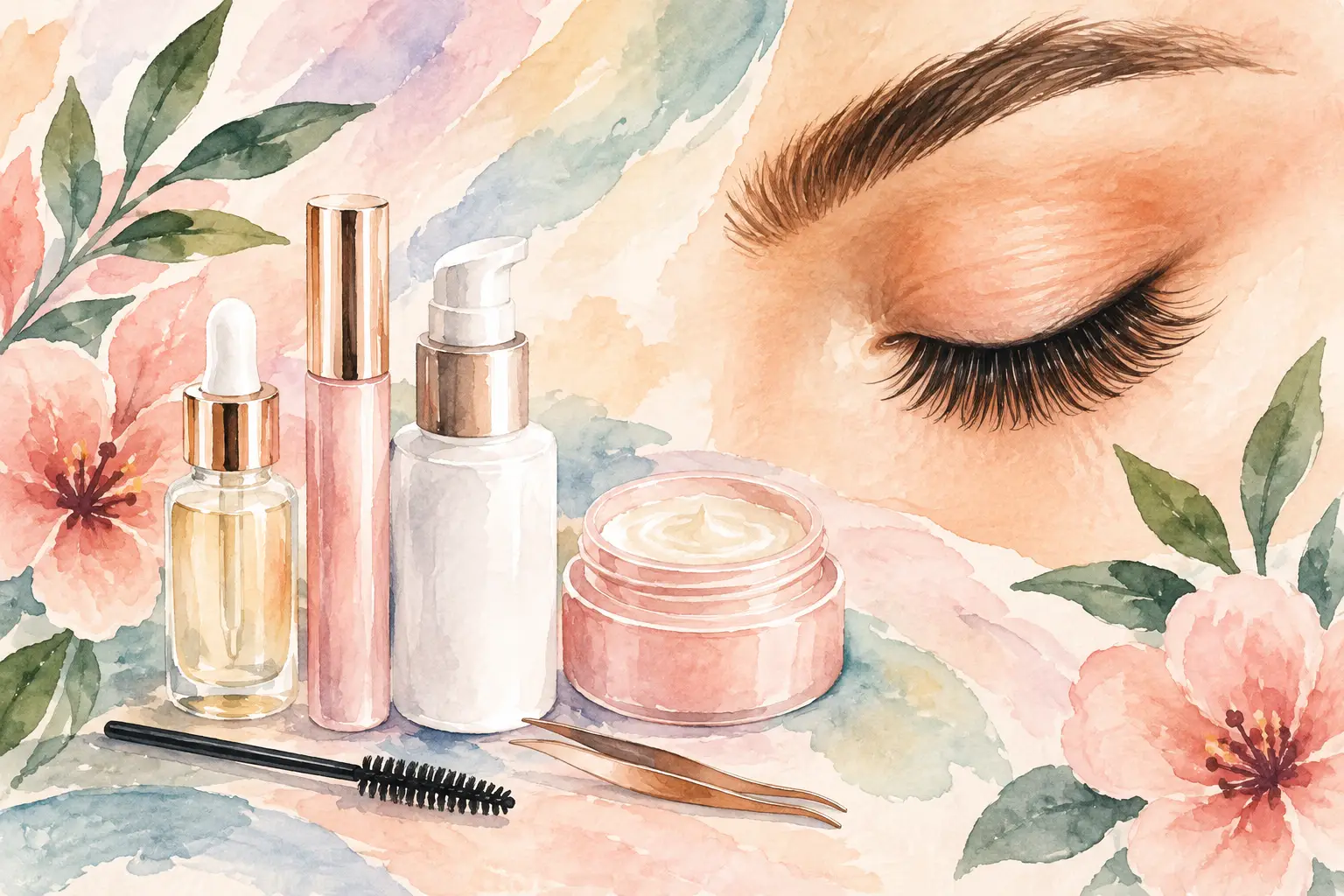
Use a lash-safe cleanser to wash your eye area thoroughly, particularly if you wore makeup, sunscreen, or eye products during the day. Rinse carefully, then pat around the eyes dry with a clean, lint-free towel. Do not rub the lashes. Once they are fully dry, brush them lightly with a clean spoolie, moving from the base toward the tips.
Be mindful of heavy eye creams, facial oils, and oily makeup removers. These products can migrate overnight, even when you do not apply them directly to your lashes. You do not need to skip your skincare, but keep richer formulas away from the lash line and give products time to absorb before bed.
For the first 24 hours after a new application or fill, follow your lash artist’s specific aftercare instructions closely. Adhesive recommendations can vary by product, humidity, and application method. Professional guidance is always more reliable than a one-size-fits-all social media tip.
Should You Wear a Sleep Mask With Extensions?
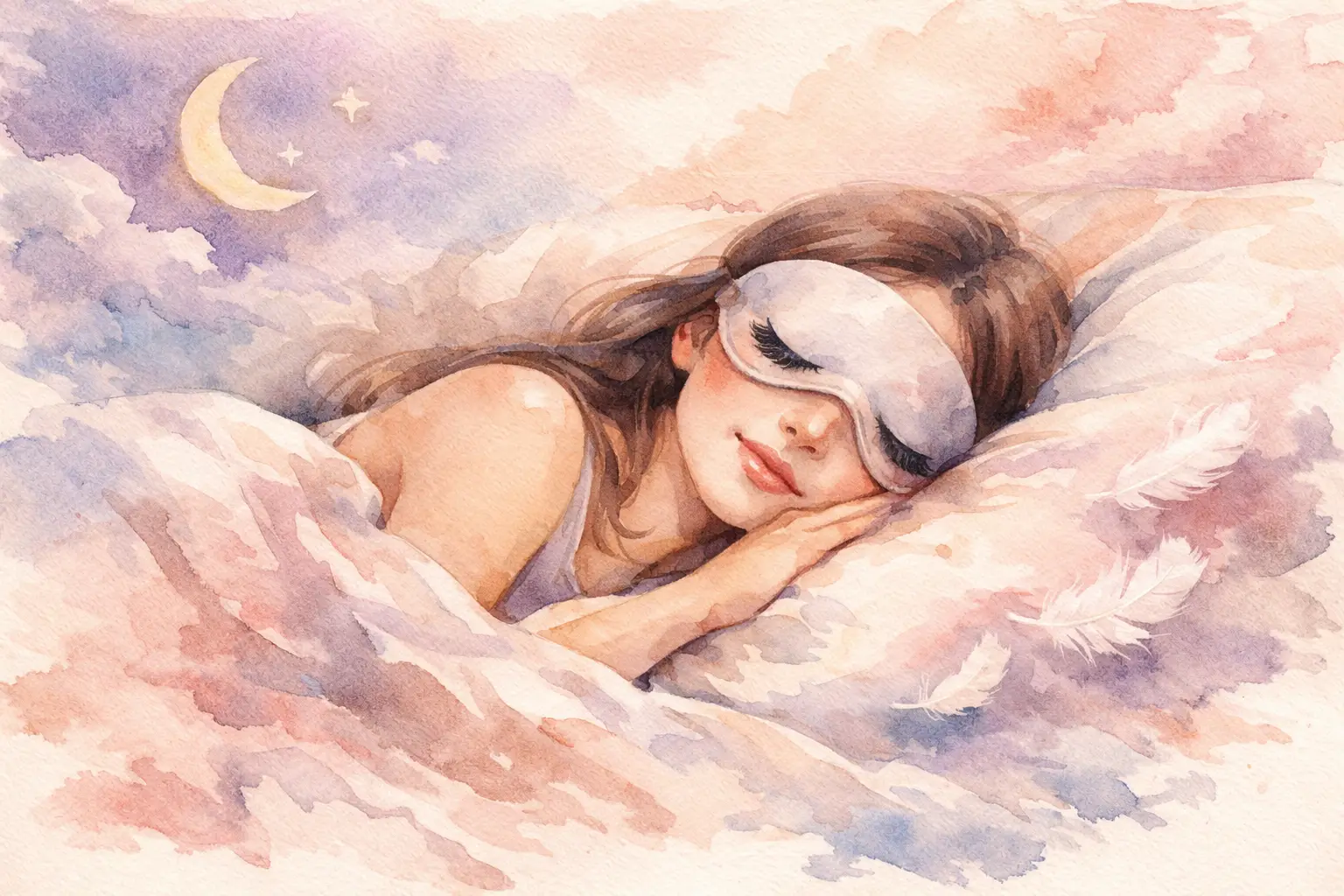
A traditional sleep mask can press directly on the extensions, bend them, and create friction as you shift during the night. For most clients, it is best to avoid a flat mask that rests against the eyes.
If you need darkness to sleep, look for a structured, contoured mask with deep eye cups that leaves enough space around the lashes. Fit is everything. A mask that is marketed as lash-friendly can still cause trouble if the cups are shallow or the band is too tight. Test it while sitting up first, and remove it if you feel contact, pressure, or pulling.
A blackout curtain or a darker room may be a better choice if your extensions are extra long, wispy, or voluminous. There is always a trade-off between convenience and lash protection, so choose the option that lets you rest without compromising comfort.
What to Do If Your Lashes Look Bent in the Morning
Do not panic if you wake up with a few lashes looking slightly crossed or tilted. Start by washing your lashes with a professional lash cleanser if needed, then allow them to dry completely. Use a clean spoolie to gently brush them back into place. Often, a careful brush is all they need.
Do not use a lash curler, mascara, heat tools, or water-resistant eye makeup to fix the issue. These can damage extensions, weaken the adhesive, or create clumps that are difficult to clean safely. Never trim extensions at home, either. A lash artist can assess whether a few misplaced lashes need professional attention.
If you wake with redness, swelling, pain, or a persistent gritty feeling, contact your lash professional promptly. Healthy extensions should feel lightweight and comfortable. Discomfort is not something you should sleep through or ignore.
Protect Your Set Between Appointments
Great retention comes from professional application, proper cleansing, and realistic daily care. Your natural lash cycle, skin type, workout routine, sleep position, and the fullness of your set all influence how your lashes wear. A client with a natural classic set may notice less pillow pressure than someone wearing long, textured volume fans, but both benefit from gentle habits.
At Lash Therapy Indy, we believe beautiful lashes should also feel clean, comfortable, and customized to your lifestyle. Let your artist know if you are a dedicated side sleeper, use a sleep mask, or regularly wake with one eye looking flatter than the other. Those details can help guide curl, length, styling, and aftercare recommendations for your next appointment.
Tonight, give your lashes a gentle cleanse, brush them only when dry, and settle into the position that gives your eyes the least pressure. Small bedtime changes protect the polished look you love and help every fill feel worth it.