If your eyes water from eyeliner, sting from certain mascaras, or turn red after trying a new skincare product, asking can sensitive eyes get extensions is completely fair. The short answer is yes, many people with sensitive eyes can wear lash extensions comfortably. The better answer is that comfort depends on the products used, the skill of the lash artist, your specific triggers, and how carefully the service is customized.
That matters because “sensitive eyes” is a broad term. For one client, it means mild watering in windy weather. For another, it means a history of allergies, contact lens dryness, or a strong reaction to adhesive fumes. Lash extensions are not one-size-fits-all, and the safest experience starts with understanding what kind of sensitivity you actually have.
Can sensitive eyes get extensions without irritation?
Sometimes yes, sometimes no. Sensitive eyes do not automatically rule out extensions, but they do call for a more thoughtful approach. A professional lash appointment should never feel rushed, especially when comfort is part of the consultation.
The first thing to know is that irritation and allergy are not the same. Irritation is often temporary. You might notice watering, slight redness, or a stinging sensation if fumes travel into the eyes during application. This can happen when the eye pads are placed too close, the eyes are not fully closed, or the room setup allows adhesive fumes to linger.
An allergy is different. Allergic reactions are usually tied to ingredients in the adhesive and can show up as swelling, itching, redness, and discomfort that gets worse instead of better. If you have had a true allergic reaction to lash adhesive before, extensions may not be the right fit unless a qualified professional has a safer alternative and has fully reviewed your history.
This is why a detailed consultation matters more than trends, photos, or even the style of lashes you want. A trained lash artist should ask what products bother your eyes, whether you wear contacts, if you have seasonal allergies, and whether you have ever reacted to glue, tape, or eye treatments before.
What usually causes sensitivity during lash appointments?
In most cases, the lashes themselves are not the problem. The extension fibers are often well tolerated. The bigger issue is usually the adhesive, the under-eye pad placement, or environmental factors during the service.
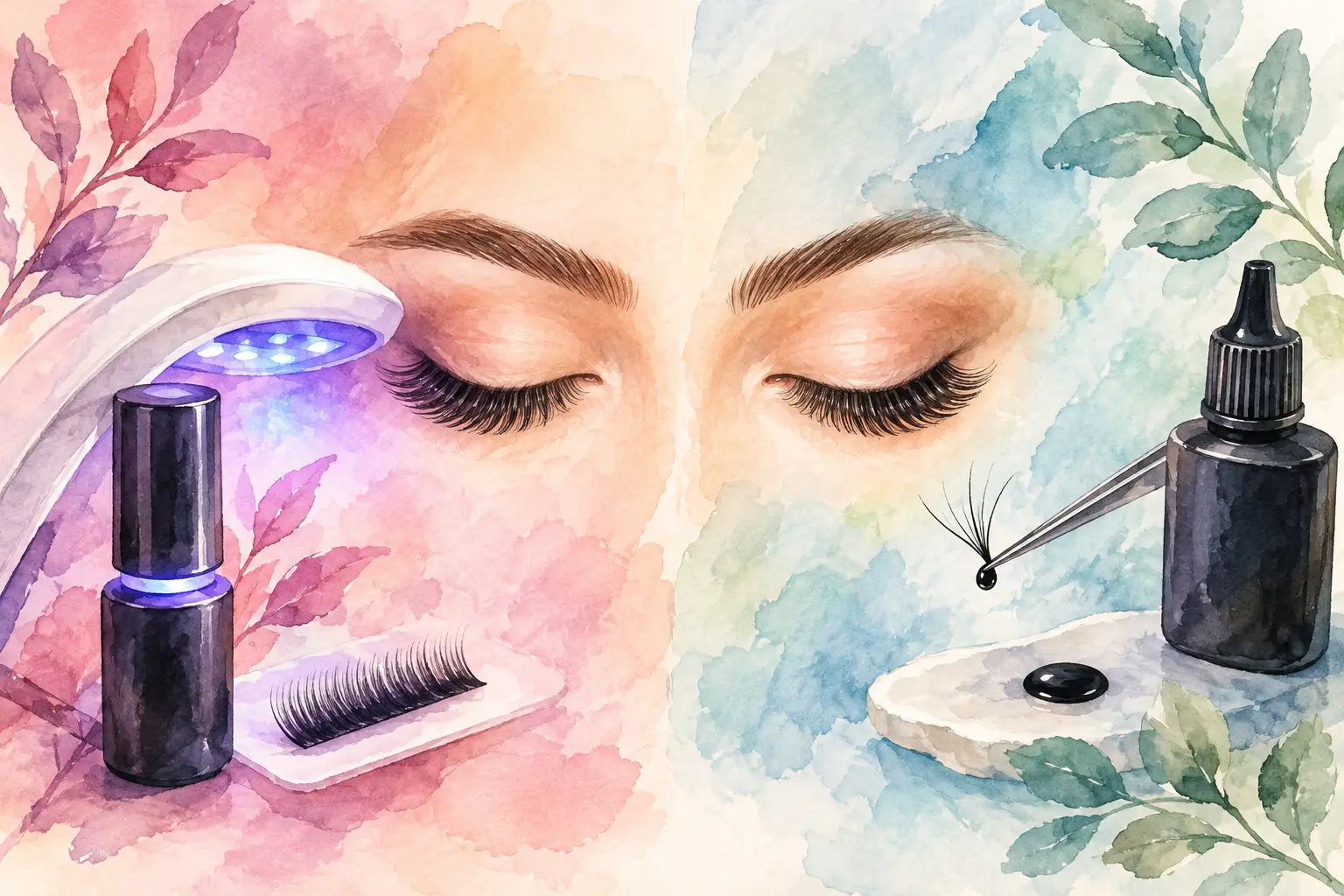
Adhesive fumes are one of the most common triggers. Even high-quality lash glue can create fumes while curing. If a client’s eyes flutter during the appointment, or if the seal around the eye is not right, those fumes can cause burning and tearing. That does not always mean the client is allergic. It often means the application setup needs improvement.
Dry eye can also make lash services feel harder to tolerate. Clients who stare at screens all day, wear contacts, or already struggle with dryness may be more likely to feel discomfort. In those cases, extensions may still be possible, but the artist needs to work with extra care and the client may need to manage dryness before and after the appointment.
There is also the issue of buildup. If your lash line is not cleaned properly before fills, oils, makeup residue, and debris can create irritation that clients sometimes mistake for sensitivity to extensions themselves. Sanitation, prep, and aftercare make a real difference.
Who is a better candidate for lash extensions if they have sensitive eyes?
Clients with mild sensitivity often do well when the service is tailored to them. If your eyes are easily irritated by fragrances, makeup, or weather but you do not have a known adhesive allergy, you may still be a good candidate for extensions. The key is working with a lash artist who prioritizes clean application, proper isolation, and product selection.
Classic or lighter sets can also feel more comfortable for some clients than dramatic volume looks. That is not because volume lashes are bad, but because a heavier or denser set may feel more noticeable if you are already hyper-aware of your eyes. A customized design that suits your natural lash health usually gives the best experience.
Clients who communicate clearly also tend to have better results. If something feels off during the appointment, say so. A good lash artist wants that feedback early, not after you leave.
Can sensitive eyes get extensions if they wear contacts or have allergies?
Yes, but with extra planning. Contact lens wearers often deal with dryness, and dry eyes can become more reactive during a lash appointment. Many artists recommend removing contacts before the service to reduce discomfort. That one small step can make a big difference.
Seasonal allergies can be trickier. If your eyes are already itchy and inflamed from pollen or environmental triggers, booking an appointment during a flare-up may not be ideal. Rubbing itchy eyes after a fresh set is also one of the fastest ways to damage retention and irritate the lash line.
If allergies are part of your routine, timing matters. Booking when symptoms are under control usually leads to a better experience than trying to force an appointment during peak irritation.
What a professional lash studio should do differently
For sensitive-eye clients, the service should be personalized from the start. That means consultation first, not assumptions. A quality studio will review your concerns, choose appropriate products, make sure pads and tape are placed correctly, and monitor your comfort throughout the appointment.
Application technique matters just as much as product choice. Proper isolation prevents lashes from sticking together, and careful adhesive control helps reduce excess fumes. The room environment matters too. Clean tools, fresh linens, and strong sanitation standards are not just about professionalism. They directly support eye comfort and safety.
This is where experience shows. A trained lash artist can often tell the difference between a client who is reacting to pad placement and a client who may be showing signs of a real ingredient issue. That level of judgment protects both the result and the client.
At Lash Therapy Indy, this is exactly why client comfort and cleanliness are treated as part of premium service, not extras.
How to lower the risk of irritation before and after your appointment
If you have sensitive eyes, the goal is to reduce stress on the area before your appointment even begins. Arrive with clean lashes and no eye makeup. Avoid trying new eye creams or makeup products right before your service. If you wear contacts, bring a case so you can remove them if needed.
After your appointment, follow aftercare closely. Clean your lashes as directed, avoid rubbing your eyes, and skip oily products near the lash line. If your eyes feel mildly watery right after the service, that can happen. If you notice increasing swelling, intense itching, or persistent redness, contact your lash artist promptly.
One of the biggest mistakes sensitive-eye clients make is waiting too long to speak up. Small irritation issues can sometimes be adjusted early. Ignoring them usually does not help.
When lash extensions may not be the best option
There are cases where the answer to can sensitive eyes get extensions is probably not, at least not right now. If you have an active eye infection, severe dry eye that is not managed, inflamed eyelids, or a known history of allergic reactions to lash adhesive, extensions may create more trouble than convenience.
This is not a sales conversation. It is a safety conversation. The best lash professionals do not push services that are not a good fit. Sometimes the right decision is to address the eye issue first and revisit extensions later. Sometimes a different beauty option is simply better for your comfort.
That kind of honesty is part of quality care.
The best results come from customization
Sensitive eyes do not automatically mean you have to give up on lash extensions. They do mean you need a more careful plan. The best appointments for sensitive clients are built around communication, sanitation, proper technique, and realistic expectations.
If your eyes have been reactive in the past, do not assume every lash experience will go the same way. The difference between a miserable appointment and a comfortable one often comes down to the artist, the products, and the willingness to tailor the service to you.
Beautiful lashes should feel like a confidence boost, not a daily irritation. When your lash artist takes your concerns seriously and your service is designed with comfort in mind, sensitive eyes and extensions can absolutely work together.