A beautiful lash set should make your routine easier, not leave your eyes feeling itchy, red, or uncomfortable. Knowing how to avoid lash infections starts before your appointment and continues with the small habits you practice at home. Clean application, thoughtful aftercare, and prompt attention to changes around the eye all help protect your natural lashes and keep your extensions looking their best.
Lash infections are not a normal part of wearing extensions. While irritation, allergies, and infections can sometimes look similar at first, persistent discomfort should never be ignored or covered up with makeup. The goal is not to be afraid of lash extensions. It is to choose professional care and follow an aftercare routine that respects the health of your eyes.
Start With a Clean, Professional Lash Appointment
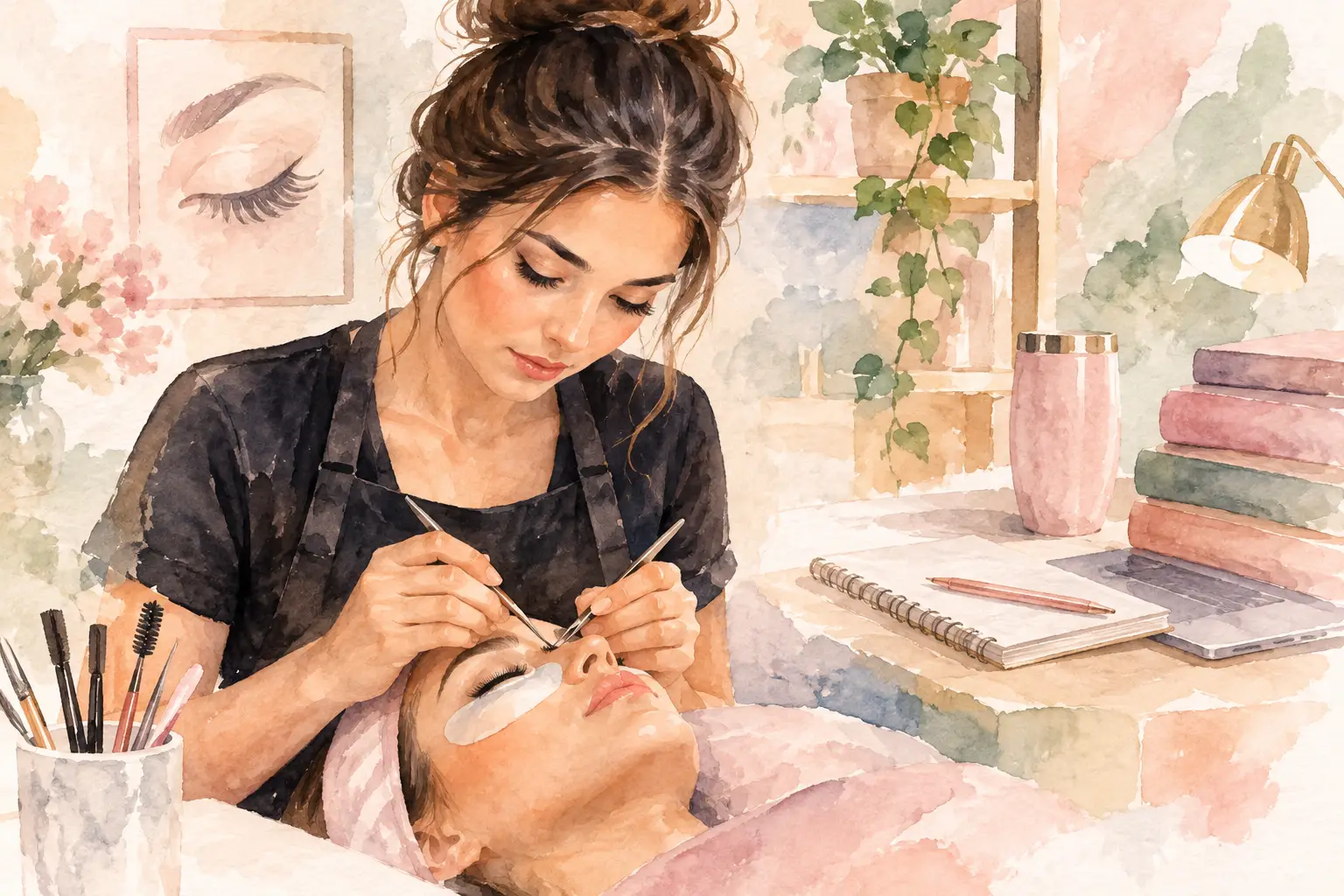
The quality of your appointment matters as much as the style of lashes you choose. A certified lash artist should work with clean hands, disinfected tools, fresh supplies, and an organized service area. Tweezers should be properly cleaned and disinfected between clients, disposable items should not be reused, and your artist should never apply lashes over makeup buildup or visible eye irritation.
Your natural lashes and eyelid area should be thoroughly cleansed before application. This removes oils, skincare residue, mascara, and bacteria that can interfere with adhesive retention and create an unhealthy environment at the lash line. A proper consultation also gives you space to mention sensitive eyes, past reactions, contact lens use, recent eye procedures, or a history of allergies.
Do not feel awkward asking about sanitation. A professional artist will welcome the question because cleanliness is part of premium lash care. At Lash Therapy Indy, client comfort, safe application practices, and high-quality results are treated as essential parts of every service.
Choose the Right Set for Your Natural Lashes
More extensions are not always better. A dramatic volume look can be beautiful, but it must be customized to the strength and density of your natural lashes. Extensions that are too long, too heavy, or poorly isolated can place unnecessary tension on your lash line. That may lead to premature shedding, discomfort, and areas that are harder to clean thoroughly.
Your artist should assess your natural lashes and recommend a curl, length, and weight that can be worn safely. This does not mean you have to give up fullness. It means the design should be built around your eye shape, lifestyle, and lash health rather than a one-size-fits-all look.
How to Avoid Lash Infections With Daily Aftercare
The biggest aftercare mistake is avoiding your lash line because you are afraid of losing extensions. In reality, clean extensions generally last better than lashes coated in oil, makeup, and debris. The key is using a lash-safe cleanser and gentle technique, not skipping cleansing altogether.
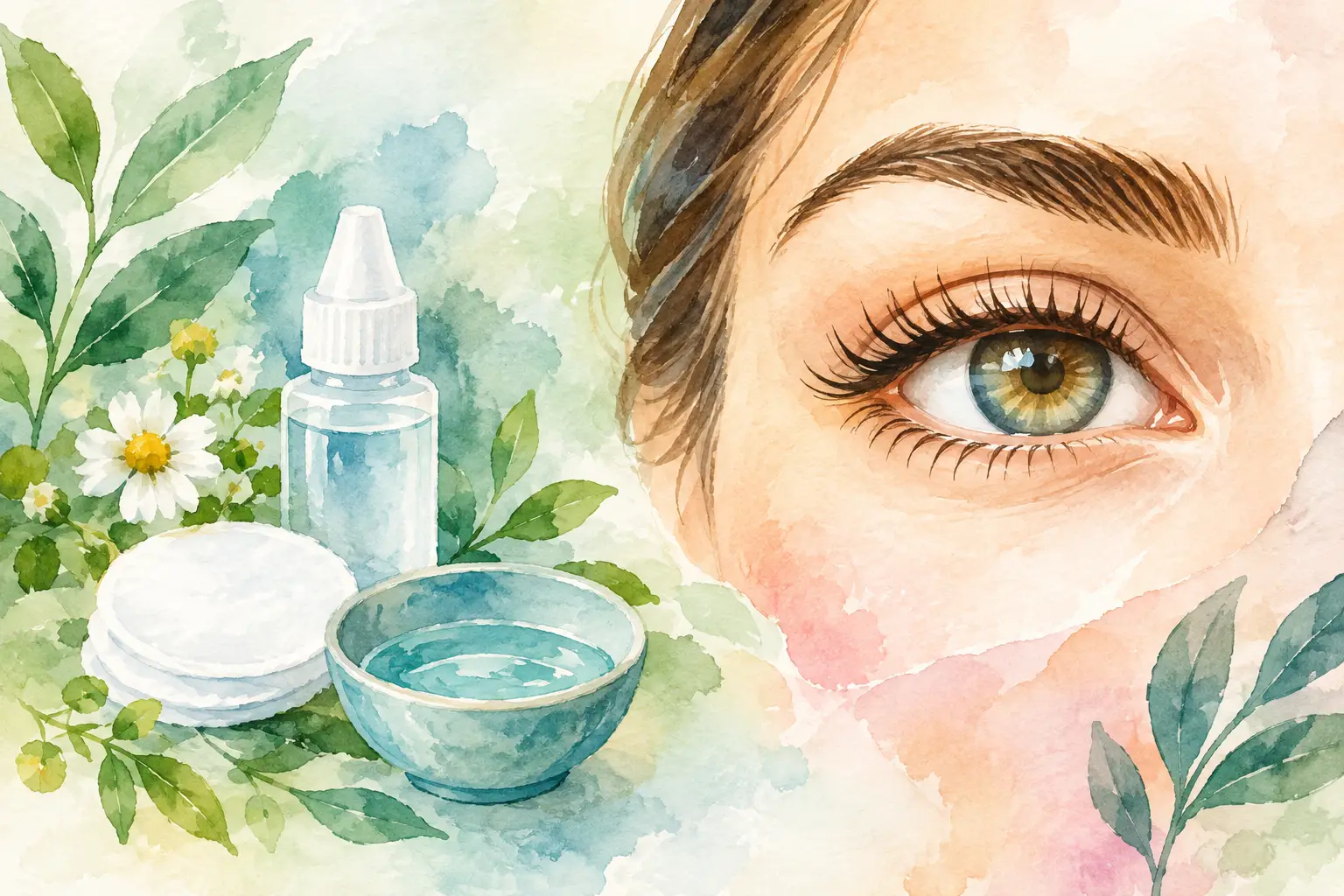
Clean your lashes daily, especially if you wear eye makeup, use rich skincare products, exercise regularly, or work in a dusty environment. Use a professional lash cleanser or an oil-free, extension-safe foaming cleanser. With clean hands, gently work the cleanser through the lash line using a soft lash brush, then rinse carefully with water and pat the area dry. Once dry, brush the extensions with a clean spoolie to keep them aligned.
Avoid using cotton pads or cotton swabs directly on extensions when possible. Fibers can snag on the lashes and leave residue behind. Waterproof mascara, oil-based removers, heavy eye creams, and thick makeup products can also be difficult to remove completely. If you wear eyeliner, choose a lash-extension-friendly formula and make cleansing part of your evening routine.
It is also smart to keep your hands away from your eyes. Rubbing, pulling, and picking at extensions can transfer bacteria from your fingers and loosen the adhesive bond. If your eyes feel tired or itchy, resist the urge to tug at your lashes. Clean the area first, and assess whether the feeling improves.
Protect Your Lashes Between Fills
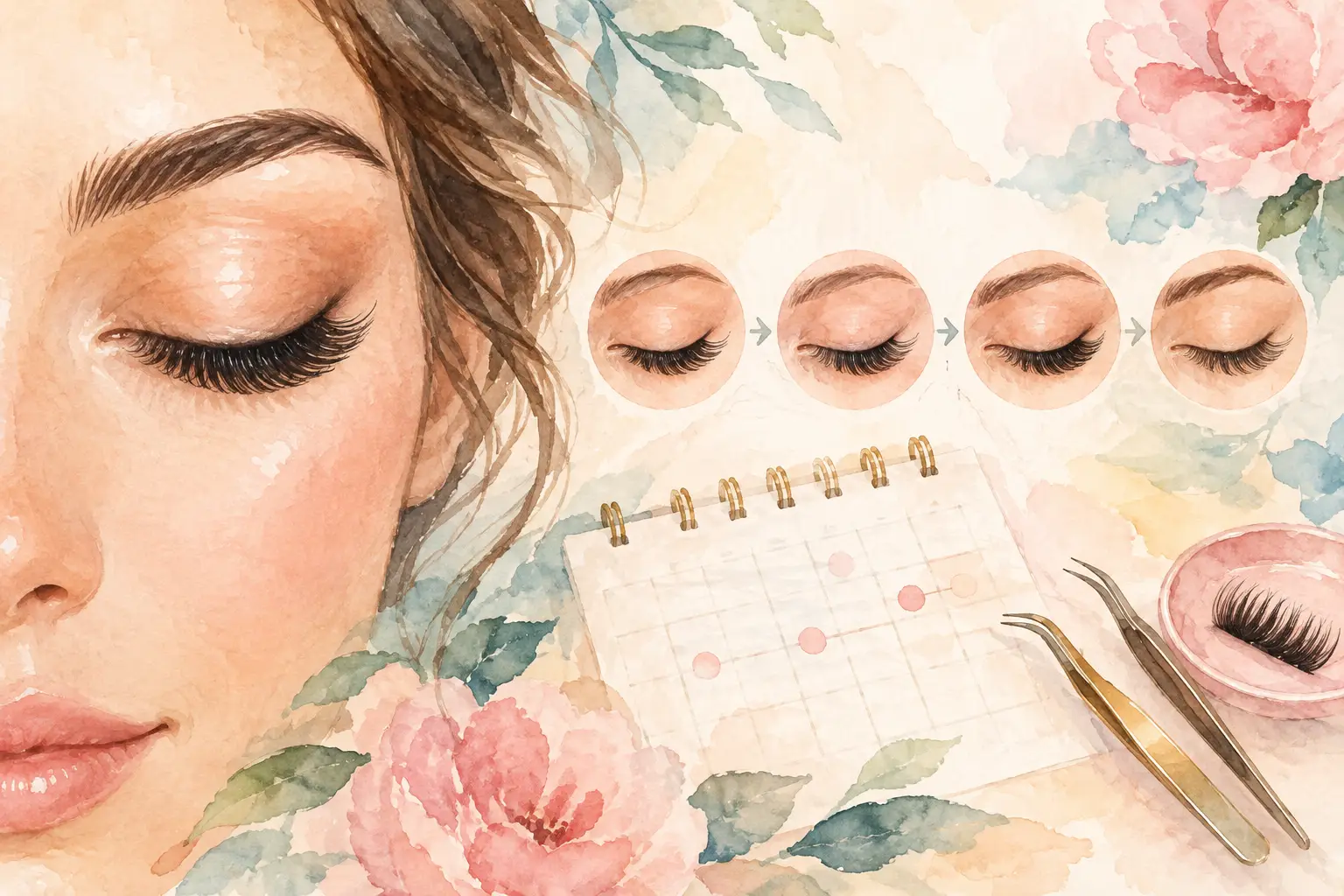
Your pillowcase, makeup tools, and phone can all collect oils and bacteria. Changing pillowcases regularly and washing makeup brushes on a consistent schedule are simple habits with real benefits. If you use a lash spoolie, store it somewhere clean and replace it if it becomes dirty, bent, or contaminated with makeup.
Sweat itself does not cause an infection, but leaving sweat, sunscreen, or makeup at the lash line for hours can lead to buildup. After a workout, gently cleanse when you are able. The same goes for swimming, hot yoga, or a long day outdoors. Follow your artist’s guidance about the initial curing period after a new set or fill, since adhesive recommendations can vary by product and humidity conditions.
Be careful with lash clusters, strip lash glue, and DIY extension kits between professional appointments. Applying extra lashes over extensions can trap residue and make thorough cleansing more difficult. Attempting to remove extensions at home by pulling them off or using random solvents can damage natural lashes and irritate the skin around your eyes. If you want a removal, schedule a professional removal.
Do Not Share Eye Products
Eye infections can spread through shared makeup, applicators, towels, and lash tools. Never share mascara, eyeliner, lash wands, eye drops, or eye makeup brushes, even with close friends or family. Replace eye makeup after an infection and consider replacing products that are old, dried out, or have been used while your eyes were irritated.
This rule matters even more if you are a lash artist. Clean, professional habits protect every client in your chair. Use single-use applicators where appropriate, disinfect tools according to professional standards, and never double-dip product applicators. Great lash artistry is built on technique, but client trust is built on safety.
Know the Difference Between Irritation and Infection
A little redness immediately after an appointment can occur from gel pads, tape placement, or keeping the eyes closed for an extended time. Some people also experience sensitivity to adhesive fumes. These concerns may improve quickly once the appointment is over, but they still deserve a conversation with your lash artist before your next visit.
An infection can involve more concerning symptoms, including worsening redness, swelling, pain, warmth around the eyelid, discharge, crusting, light sensitivity, or vision changes. Lashes that suddenly feel stuck together because of discharge are not something to brush through and ignore. A stye can also appear as a tender bump along the lash line.
Allergic reactions may include itching, puffy eyelids, watery eyes, or swelling that develops after an application. Because these signs can overlap, it is not always possible to diagnose the cause at home. Do not apply a new adhesive, use a lash growth serum, or try to hide the problem under makeup while you wait for it to pass.
When to Pause Extensions and Seek Care
If you suspect an infection or have eye pain, significant swelling, discharge, or changes in vision, stop wearing eye makeup and contact a qualified medical professional promptly. An optometrist, ophthalmologist, urgent care provider, or primary care provider can evaluate your symptoms and recommend treatment. Eye health needs professional attention, especially when symptoms are worsening.
Let your lash artist know what is happening, but remember that a lash artist cannot diagnose or treat an eye infection. You may need to postpone a fill or have extensions professionally removed, depending on the advice you receive. Waiting until your eyes are fully healed before resuming lash services is a worthwhile trade-off for protecting your natural lashes and vision.
If you have frequent irritation, consider whether your routine needs adjusting. It may be the cleanser, a makeup product, the adhesive, your sleeping habits, or an underlying eye condition. A detailed consultation and a patch test may help in some situations, though a patch test cannot guarantee that a delayed reaction will not occur.
Healthy lashes begin with a clean appointment and continue with consistent care at home. Treat your lash line with the same attention you give your skin, listen to changes in your eyes, and choose professional help quickly when something does not feel right.