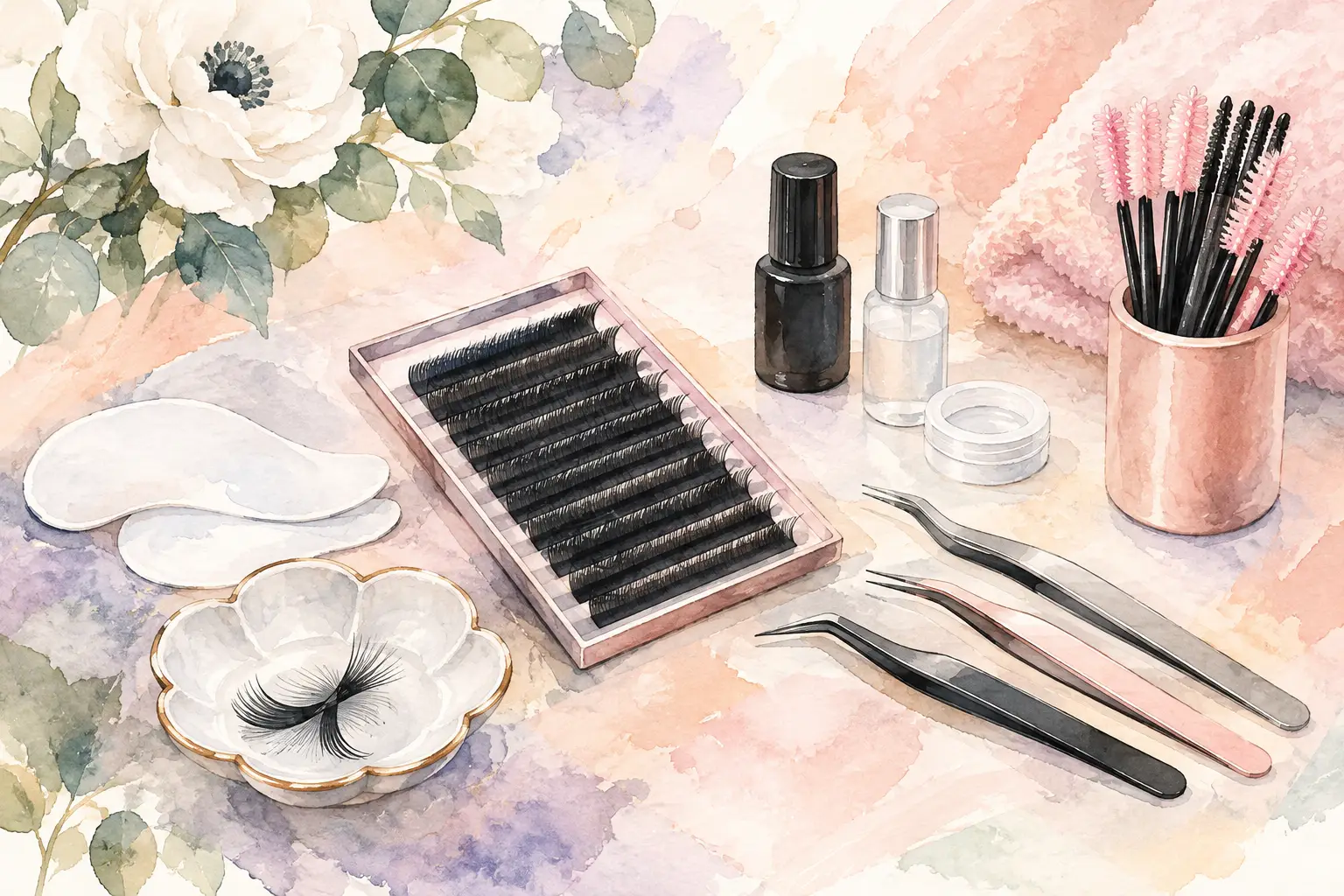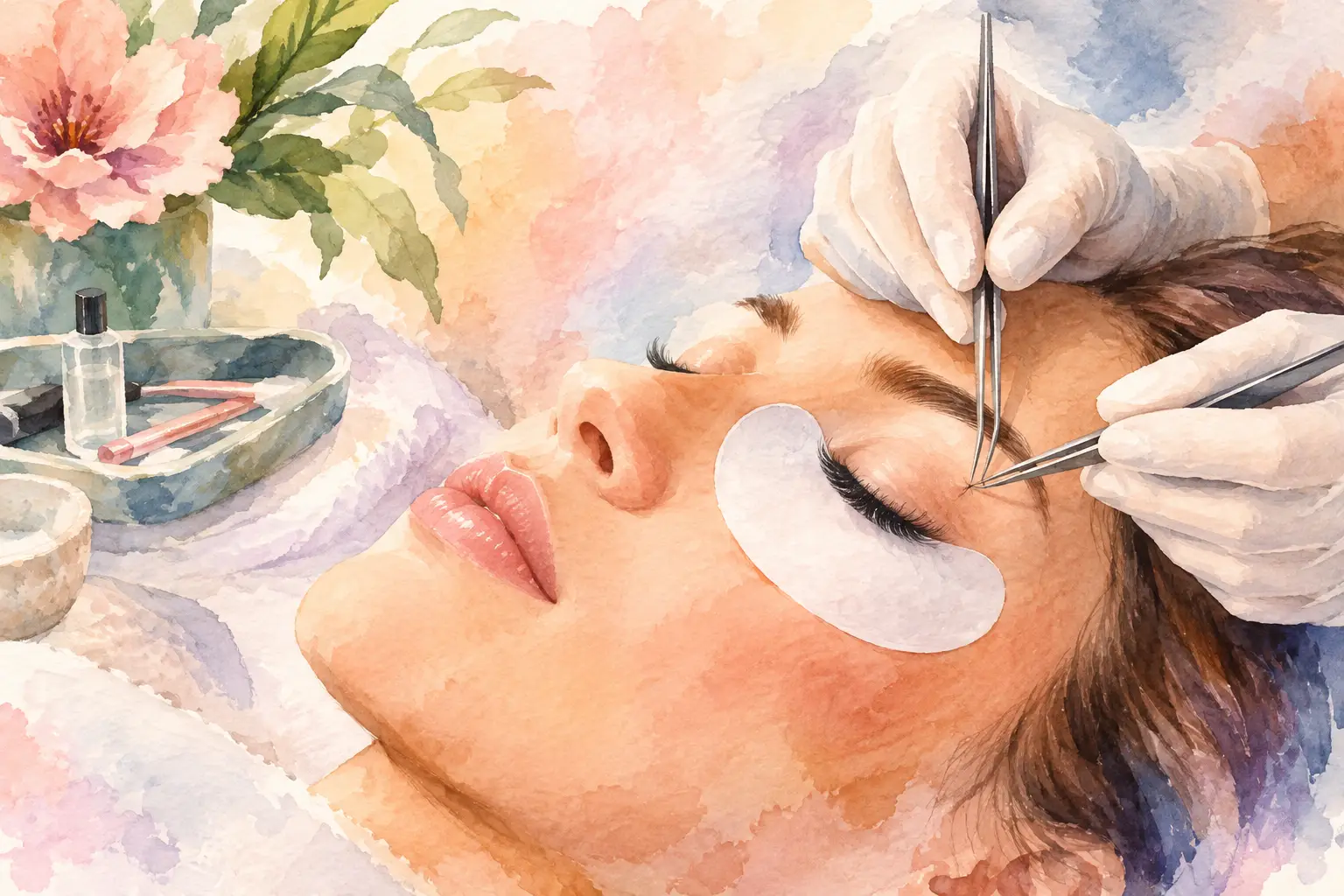
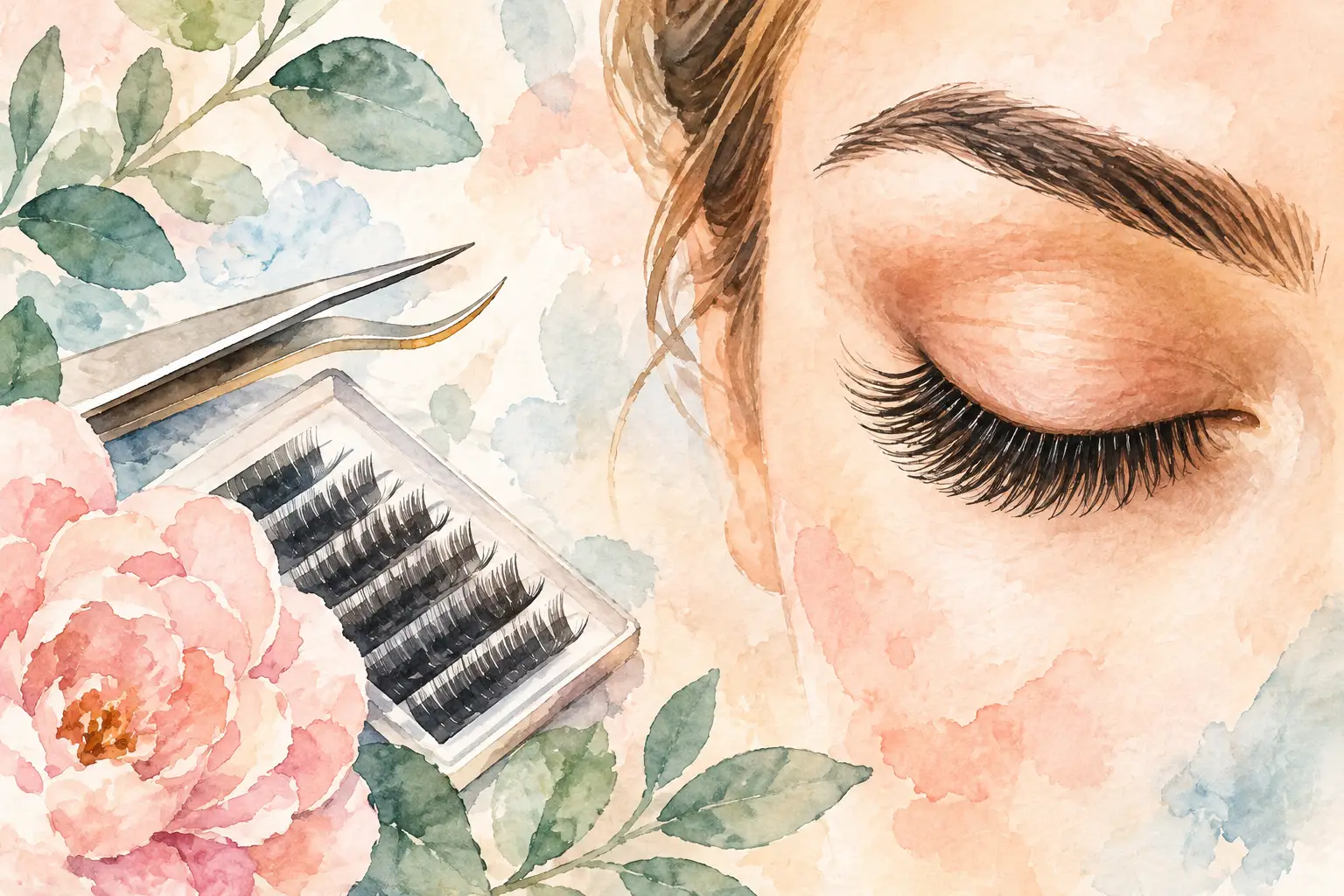
A beautiful full set should still look polished well before your next fill. When extensions shed early, twist, or leave visible gaps after only a few days, the answer is rarely just “better glue.” This guide to lash retention improvement explains the real factors behind lasting lash extensions, from professional application and clean prep to the small at-home habits that protect your investment.
Why Lash Retention Changes From Client to Client
Natural lashes have a growth cycle, which means some daily shedding is normal. Most clients naturally lose a few lashes each day, and extensions shed along with the natural lash they are attached to. Great retention does not mean keeping every extension forever. It means your set stays balanced, comfortable, and full-looking until it is time for a scheduled fill.
Retention can look different from one person to the next. A client with oily skin, a workout-heavy schedule, seasonal allergies, or a fast lash growth cycle may need fills more frequently than someone with dry skin and a slower cycle. Pregnancy, hormonal changes, certain medications, and stress can also affect natural lash shedding. These are not failures of your lash artist or your aftercare routine. They simply call for a personalized maintenance plan.
The most common retention challenges usually come back to a combination of these factors:
- Natural lash growth and regular shedding
- Oil, makeup residue, or skincare buildup near the lash line
- Moisture, heat, friction, or sleeping pressure too soon after an appointment
- Improper isolation, unsuitable adhesive conditions, or poor application technique
- Pulling, rubbing, or brushing extensions too aggressively
A premium lash experience starts with understanding which factor is actually at play. Guessing can lead clients to over-clean, under-clean, or buy products that do not address the issue.
Guide to Lash Retention Improvement: Start at the Appointment
Long-lasting extensions begin before the first lash is placed. A thorough consultation helps the artist choose a style, weight, curl, and length that the natural lashes can safely support. A dramatic set may be gorgeous, but if the natural lashes are fine or fragile, an overly heavy design can create stress, discomfort, and premature shedding.
Proper cleansing and preparation are equally essential. Natural lashes need to be free of oil, makeup, sunscreen, and residue so the adhesive can bond correctly. This is why arriving with clean, makeup-free eyes is one of the best things a client can do. Even a small amount of foundation or eye cream near the lash line can interfere with the appointment.
Professional application also requires careful isolation. Each extension should be applied to one natural lash, not attached to neighboring lashes or the skin. When lashes are properly isolated and bonded, they can move naturally through their growth cycle without tugging or discomfort. Sanitation, fresh supplies, and a clean workspace are part of this process too. They protect both the health of the eye area and the quality of the final set.
At Lash Therapy Indy, personalized styling and clean application are treated as part of the retention plan, not as extras. The right set should feel lightweight, look intentional, and fit your day-to-day routine.
Adhesive Conditions Matter
Professional lash adhesive performs best within a specific humidity and temperature range. If the studio environment is too dry, too humid, too hot, or too cool, the adhesive can cure differently than intended. Experienced lash artists monitor these conditions and adjust their techniques or adhesive choice accordingly.
This is one reason DIY lash extension application and rushed appointments often lead to disappointing results. Retention is not just about owning a strong adhesive. It is about using it safely, in the right amount, with proper timing and placement.
Protect Your Lashes During the First 24 Hours
The first day after your appointment sets the tone for the rest of your retention cycle. Your artist will provide specific aftercare based on the adhesive and products used, so always follow those instructions first. In general, avoid unnecessary steam, heavy sweating, swimming, and direct water pressure around the eyes during the initial curing period.
That does not mean you should avoid cleansing your lashes for days. Once your artist’s recommended curing window has passed, regular cleansing is necessary. Waiting too long allows oil, makeup, and debris to build up at the lash line, which can weaken the bond and create an uncomfortable environment for your natural lashes.
Skip saunas, hot yoga, and long steamy showers immediately after a new set if possible. If you have an event, workout, or vacation planned, schedule your appointment with enough time for proper aftercare. A little planning can make a noticeable difference.
Build a Simple Daily Lash Care Routine
The best at-home routine is consistent, gentle, and realistic. Cleanse your lash line daily with a lash-safe cleanser, especially if you wear eye makeup, use skincare around the eyes, or have naturally oily skin. Use a soft lash brush or cleansing brush to work product carefully through the base of the extensions, then rinse thoroughly and pat dry.
Avoid oil-based eye makeup removers, cleansing balms, and heavy creams near the lash line unless your lash artist confirms they are extension-safe. Oil does not affect every adhesive in exactly the same way, but it can create residue that makes bonding less reliable. It can also cause extensions to slip or clump when it is not removed properly.
After cleansing, brush your lashes gently with a clean spoolie once they are dry. Start through the middle and tips rather than pushing aggressively at the base. Brushing keeps extensions aligned, helps prevent tangling, and makes it easier to spot a lash that has shifted before it becomes irritating.
How you sleep matters too. Side and stomach sleepers often notice more shedding on the side that meets the pillow. A smooth pillowcase, a contoured sleep mask designed for extensions, or simply training yourself to avoid pressing your face into the pillow can help. No routine is perfect, but reducing nightly friction is worth the effort.
Watch for Habits That Quietly Shorten Retention
Clients are often surprised by how quickly everyday habits can affect their set. Rubbing your eyes during allergy season, picking at a loose extension, using a towel to scrub your face, or letting shower spray hit your lashes directly can all put stress on the bond.
Mascara is usually unnecessary with a well-designed set and can be difficult to remove without pulling on extensions. If you choose to wear eye makeup, keep it minimal and use products that wash away easily with lash-safe cleansing. Waterproof formulas are especially challenging because removing them often requires oil or friction.
Lash curlers are also off-limits for extensions. They can crimp, break, or pull the natural lash. If you want more lift or a more open-eye effect, ask your artist about a different curl, length map, or styling approach at your next appointment instead.
Schedule Fills Before Gaps Take Over
Most extension clients benefit from a fill every two to three weeks, though timing depends on natural shedding and the desired look. Waiting until only a few extensions remain can turn a fill into a full-set appointment, which takes more time and may cost more. Booking regular maintenance helps keep your lashes looking consistently full without putting unnecessary pressure on your schedule.
Come to your fill with clean lashes whenever possible. Be honest with your artist if you have changed skincare products, started a new medication, had allergy symptoms, or noticed more shedding than usual. These details help your artist identify patterns and make smart adjustments to your service.
If retention suddenly changes after being consistently good, do not assume you need a heavier set or a stronger adhesive. The solution may be as simple as switching an eye cream, improving cleansing, adjusting appointment timing, or taking a short break if your natural lashes need support.
For Lash Artists: Retention Is a Skill You Keep Refining
For aspiring and working lash artists, strong retention comes from precision and consistency. Client prep, humidity monitoring, adhesive freshness, proper dipping technique, attachment direction, and isolation all work together. A clean attachment with an appropriate adhesive amount will outperform a rushed application every time.
Documenting client patterns is one of the most practical ways to improve. Track the products used, room conditions, styling choices, refill timing, and feedback from each appointment. Over time, this gives you a clearer picture of whether an issue is related to environment, technique, lifestyle, or natural lash health.
Certified education gives artists the foundation to make those decisions with confidence. Retention should never come at the expense of safety. Choosing safe weights and respecting the natural lash will build more trust, more repeat clients, and better long-term results than chasing an overly dramatic look.
Beautiful retention is built through skilled application and thoughtful care, one clean, comfortable lash day at a time.