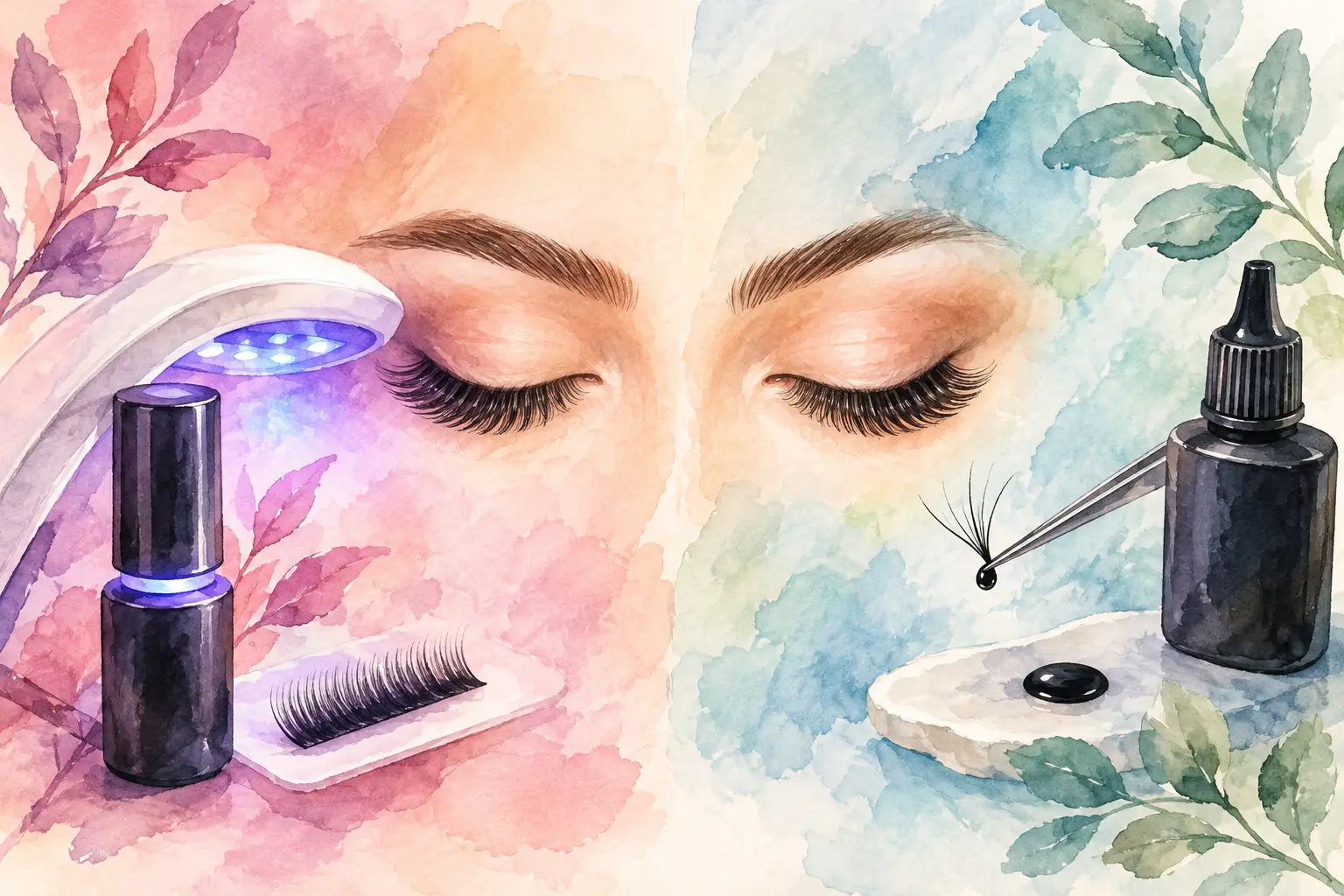
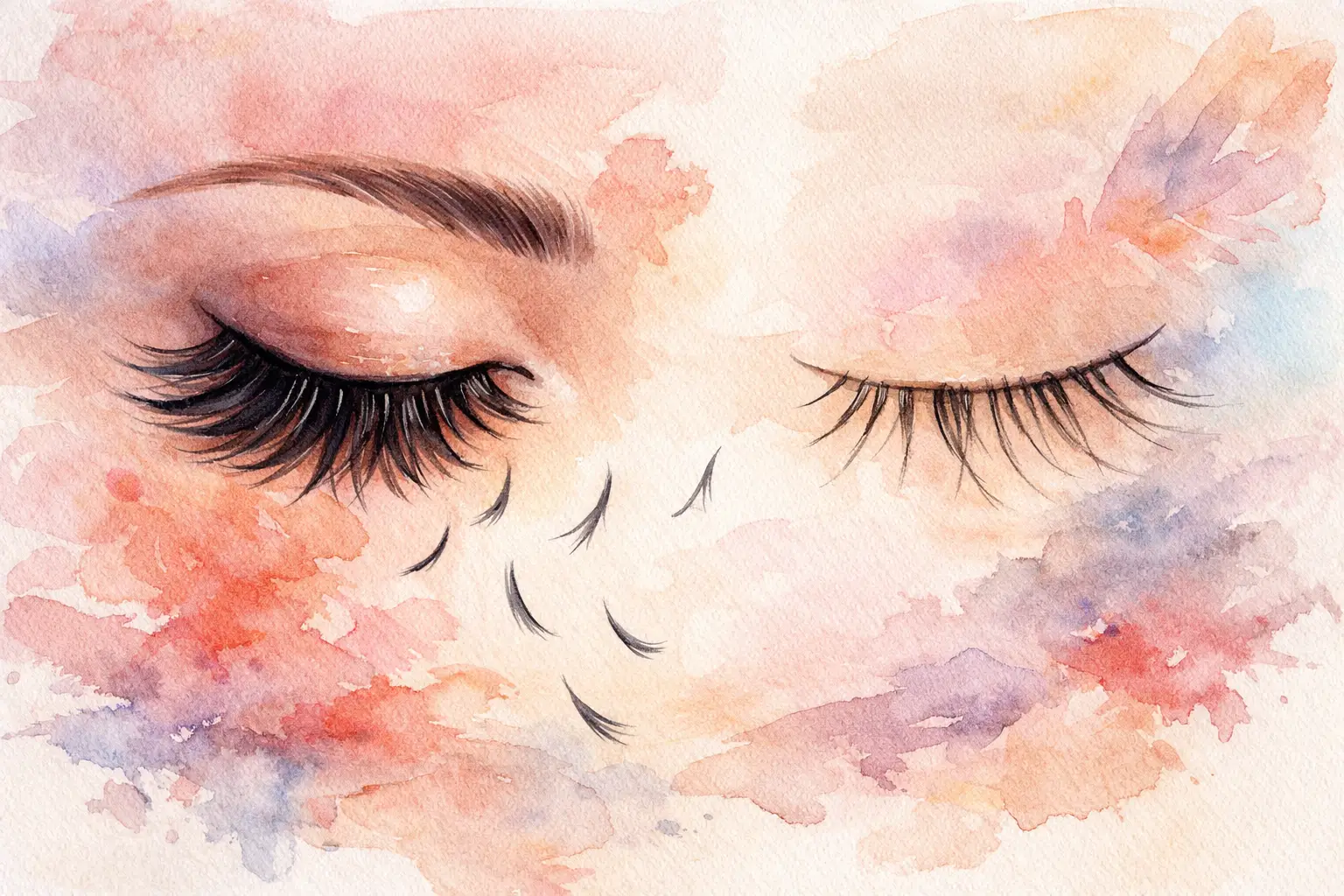
A great lash set should make mornings easier, not leave you worried about what is happening underneath. So, can lash extensions damage natural lashes? They can, but healthy, properly applied extensions should not. Most lash damage comes down to technique, lash selection, aftercare, or wearing extensions past the point when they need professional attention.
Natural lashes grow, shed, and replace themselves in a continuous cycle. When extensions are customized to support that cycle, they can be a comfortable, polished part of your routine. The goal is not simply fuller lashes. It is fuller lashes that respect the health of the natural lash line.
Can Lash Extensions Damage Natural Lashes? The Honest Answer
Lash extensions do not automatically damage natural lashes. A qualified lash artist applies one extension, or a properly created volume fan, to one isolated natural lash. The extension should be light enough for that lash to carry comfortably and should never be attached to the skin or to multiple lashes growing at different stages.
Problems begin when the natural lash is overloaded, poorly isolated, or pulled by adhesive buildup. For example, a very long or heavy extension on a fine natural lash can create unnecessary stress. Lashes glued together can pull against one another as they grow at different speeds. This can cause discomfort, premature shedding, breakage, or a sparse-looking lash line over time.
There is also a difference between normal shedding and damage. It is normal to lose natural lashes every day, whether you wear extensions or not. Because an extension falls when its natural lash sheds, the process can look more dramatic than it is. Seeing a lash extension with a natural lash attached does not necessarily mean the extension caused the lash to fall out. In many cases, it simply means that lash completed its normal growth cycle.
What Actually Causes Lash Damage
The most common cause of lash extension damage is a mismatch between the extension and the client’s natural lashes. Every client has a different lash density, length, curl pattern, and strength. A look that works beautifully on one person may be too heavy for another.
Poor isolation is another major concern. Each natural lash needs room to move and shed independently. When two or more lashes are stuck together, they can tug as new lashes grow in. This is not just an appearance issue. It can feel tight, itchy, or painful, and it should be corrected by a trained professional as soon as possible.
Adhesive technique matters, too. Too much adhesive can create thick, hard bonds that collect debris and make lashes feel stiff. Too little may cause premature fallout, which leads some clients to rub, pull, or pick at their lashes. Properly cured adhesive and clean attachment points help extensions stay secure without creating excess weight.
Client habits play a role as well. Rubbing your eyes, sleeping face-down, using oily products around the eyes, or trying to remove extensions at home can all create stress on the natural lashes. Picking is especially damaging because it can pull out a natural lash before it is ready to shed.
Signs Your Lash Extensions Need Attention
Extensions should feel light. You may notice them the first day simply because they are new, but you should not feel constant pulling, pinching, or pain. Redness, swelling, burning, or significant itching are not normal experiences to push through.
Take a closer look if you see lashes growing in unusual directions, thick clumps of adhesive, or several natural lashes attached to one extension. Noticeable gaps can also be a sign that you are overdue for a fill or that your natural lashes need a break from an overly heavy set.
If you have discomfort or irritation, avoid trying to fix the issue yourself. Do not pull, trim, or use household products to dissolve the adhesive. Contact a licensed lash professional for an assessment and safe removal if needed. If symptoms are severe, persistent, or involve eye pain or changes in vision, seek medical care promptly.
How a Safe Lash Set Is Designed
A professional lash appointment should begin with more than choosing a style from a photo. Your lash artist should consider your natural lash health, eye shape, lifestyle, and the look you want to maintain between fills. A busy professional who wants effortless definition may be best served by a lightweight classic or hybrid set. Someone who loves more drama may be a candidate for volume, but volume should be created with fine, lightweight fans rather than excessive weight.
Length and curl are carefully selected, not simply maximized. Longer is not always better. A set that is too long may twist, catch on your pillow, or place leverage on the natural lash. The same is true for dramatic curls on lashes that cannot comfortably support them. A customized design creates a beautiful result that still feels wearable.
Sanitation is part of lash health, too. Clean tools, properly stored products, fresh disposable supplies where appropriate, and careful cleansing before application protect both your comfort and the integrity of the service. At Lash Therapy Indy, premium lash artistry is paired with attention to clean application, client comfort, and styling that fits the individual rather than forcing every client into the same look.
Aftercare That Protects Your Natural Lashes
Good retention and good lash health often go together. Keeping your extensions clean helps prevent oil, makeup residue, and debris from building up along the lash line. Clean lashes are easier to assess, more comfortable to wear, and less tempting to rub or pick.
For the first 24 hours after your appointment, follow your artist’s adhesive-curing guidance. After that, cleanse the lash line regularly with a lash-safe cleanser, rinse gently, and pat dry. Brush through the extensions with a clean spoolie once they are dry. This simple habit helps keep lashes separated and lets you notice any tangling early.
Avoid oil-heavy eye products, waterproof mascara, and mechanical lash curlers. Waterproof formulas can be difficult to remove and often require rubbing, while a curler can crimp or break both extensions and natural lashes. If you wear eye makeup, choose products that remove easily and cleanse thoroughly at the end of the day.
Do not wait until most of the set has shed to schedule a fill. Many clients do best with fills every two to three weeks, depending on their natural shedding cycle and desired fullness. Regular fills allow the artist to remove grown-out extensions safely and replace lashes without overloading the new growth.
Should You Take a Break From Extensions?
Not everyone needs a scheduled break from lash extensions. If your natural lashes are healthy, your extensions are correctly applied, and you follow aftercare, you may be able to maintain a set consistently. The idea that every client must take a break after a certain number of months is not a universal rule.
A break can be helpful if your lashes have been damaged by a previous application, if you have been picking, or if your eyes feel irritated. It may also be the right choice after illness, medication changes, hormonal shifts, or any period when your lashes seem weaker than usual. A skilled artist can help you decide whether a lighter set, a temporary removal, or a return to natural lashes is the best next step.
During a break, be gentle with your eye area. Avoid aggressive rubbing and harsh makeup removal. Give new lashes time to grow through their normal cycle, which can take several weeks to a few months depending on the individual.
Choosing an Artist Protects More Than Your Look
Price and availability matter, but lash extensions are a detail-oriented service where training makes a real difference. Look for an artist who explains what is realistic for your natural lashes, prioritizes isolation, maintains a clean workspace, and welcomes questions about products and aftercare. You should never feel pressured into a heavier style than your lashes can safely support.
For aspiring lash artists, this is why quality education matters just as much as artistic vision. Learning proper isolation, weight calculations, adhesive control, sanitation, and removal techniques helps protect clients while building the kind of trust that creates a lasting career.
Your best lash set should feel like an enhancement, not a compromise. Choose thoughtful application, keep your lashes clean, and speak up at the first sign of discomfort. Healthy natural lashes give you the freedom to enjoy the classic, hybrid, or volume look that makes you feel most like yourself.