A starter kit can make your first lash sets feel organized and professional, or leave you trying to work around missing, low-quality tools. The best lash extension starter kits do more than fill a box with supplies. They give new artists a safe, practical foundation for learning placement, isolation, styling, sanitation, and client care.
For aspiring lash artists, the smartest kit is not always the one with the most items or the lowest price. It is the one that supports proper education, includes dependable essentials, and allows you to practice without cutting corners on hygiene or retention. A beautiful set begins long before the first extension is placed.
What the Best Lash Extension Starter Kits Include
A well-planned kit should cover the full appointment process, from preparing the natural lashes to safely finishing the service. You may add specialty supplies as your skills grow, but beginners need reliable basics first.
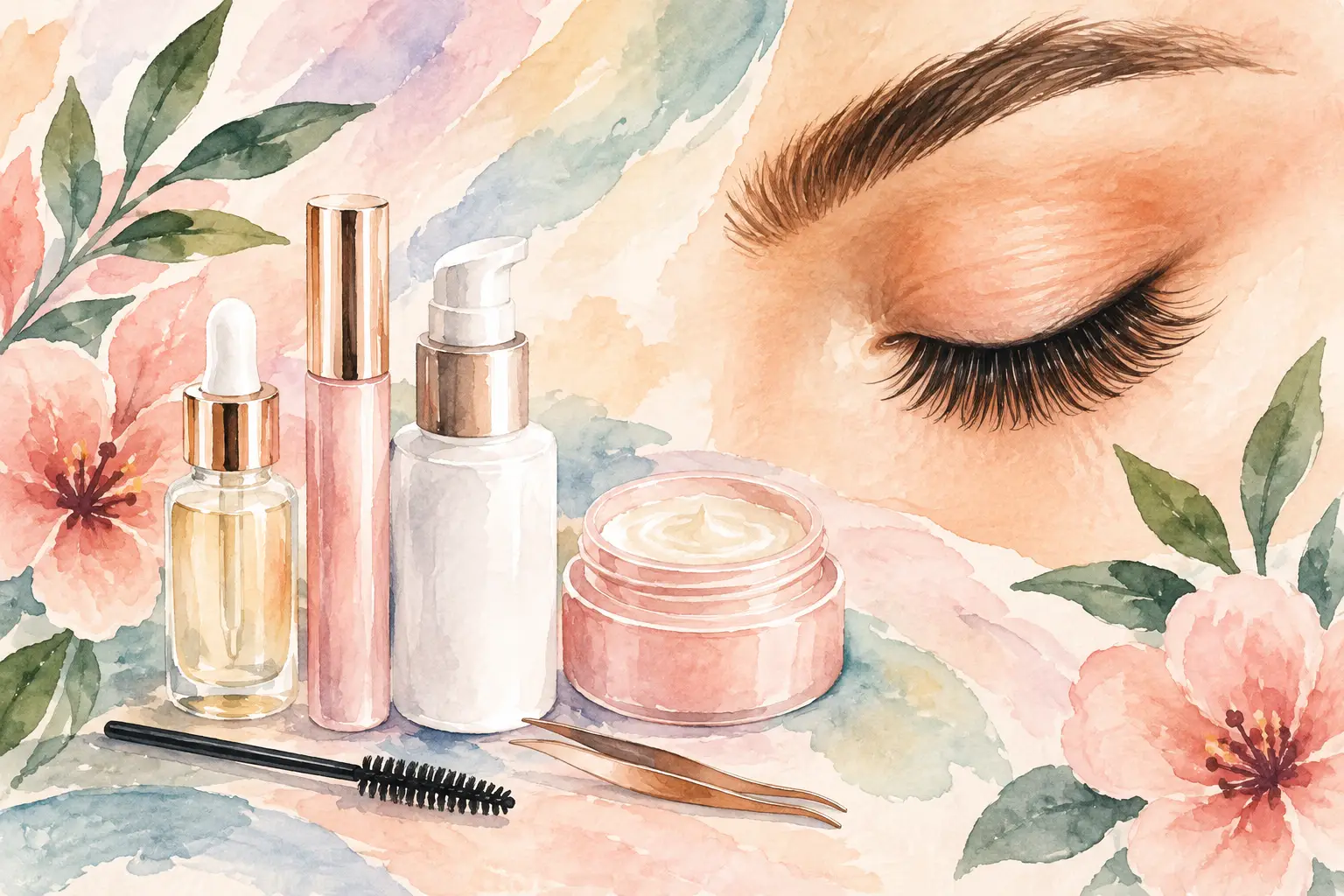
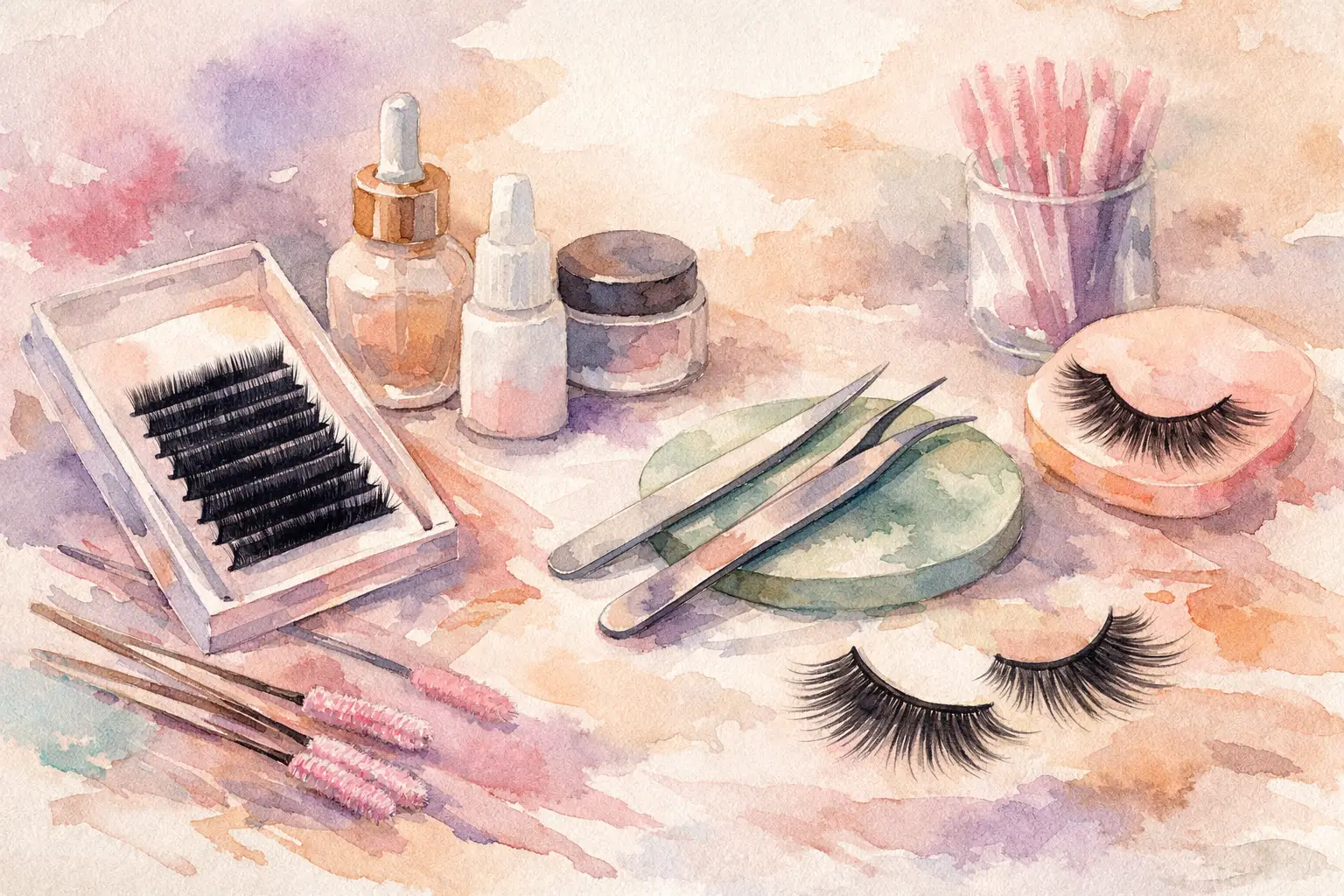
At minimum, look for professional lash trays in a few versatile lengths and curls, quality tweezers for isolation and pickup, lash adhesive, adhesive accessories, eye pads or under-eye gel pads, lash tape, a cleanser or makeup remover, spoolies, micro brushes, and applicators. A cleansing brush and lash bath products are also helpful when you are learning how to educate clients about proper aftercare.
The kit should include products that let you practice classic application with control. Beginning with classic lashes is often the best path because it teaches the habits behind every advanced service: clean isolation, a measured adhesive amount, correct placement, and safe direction. Volume and mega volume techniques require additional precision, so a kit built around those styles may not be the right first purchase unless you have already completed hands-on training.
Lash Trays: Quality Matters More Than Quantity
You do not need every curl, diameter, and length to begin creating attractive practice sets. A curated selection of soft, consistent lashes is more useful than an overwhelming assortment of trays you do not yet know how to style.
For classic work, a mix of natural-looking lengths can help you understand mapping and texture. Choose lashes that release cleanly from the strip and hold their curl. Inconsistent fibers, overly shiny finishes, or strips that make pickup difficult can frustrate a new artist and slow down practice.
As your technique improves, expand based on the looks you want to offer. A soft C curl may suit clients who want an everyday enhancement, while CC and D curls can create more lift and drama. The right choice always depends on natural lash health, eye shape, and the client’s desired finish.
Tweezers Should Feel Balanced in Your Hand
Most new artists need at least two tweezers: an isolation tweezer and a pickup or placement tweezer. The best lash extension starter kits include tweezers that are lightweight, aligned properly, and comfortable enough for focused practice.
Do not assume the most expensive tweezer will immediately improve your application. Tweezers are personal tools. Their grip, angle, and tension need to feel right in your hand. Straight or curved isolation tweezers work well for many artists, while a boot or angled tweezer is often useful for classic pickup. If you plan to learn volume later, you will likely want a separate volume tweezer designed for fan creation.
Always protect and sanitize your tweezers. If they fall, inspect the tips closely before using them again. A slightly damaged tip can affect isolation and make safe placement harder.
Adhesive Is Not a One-Size-Fits-All Product
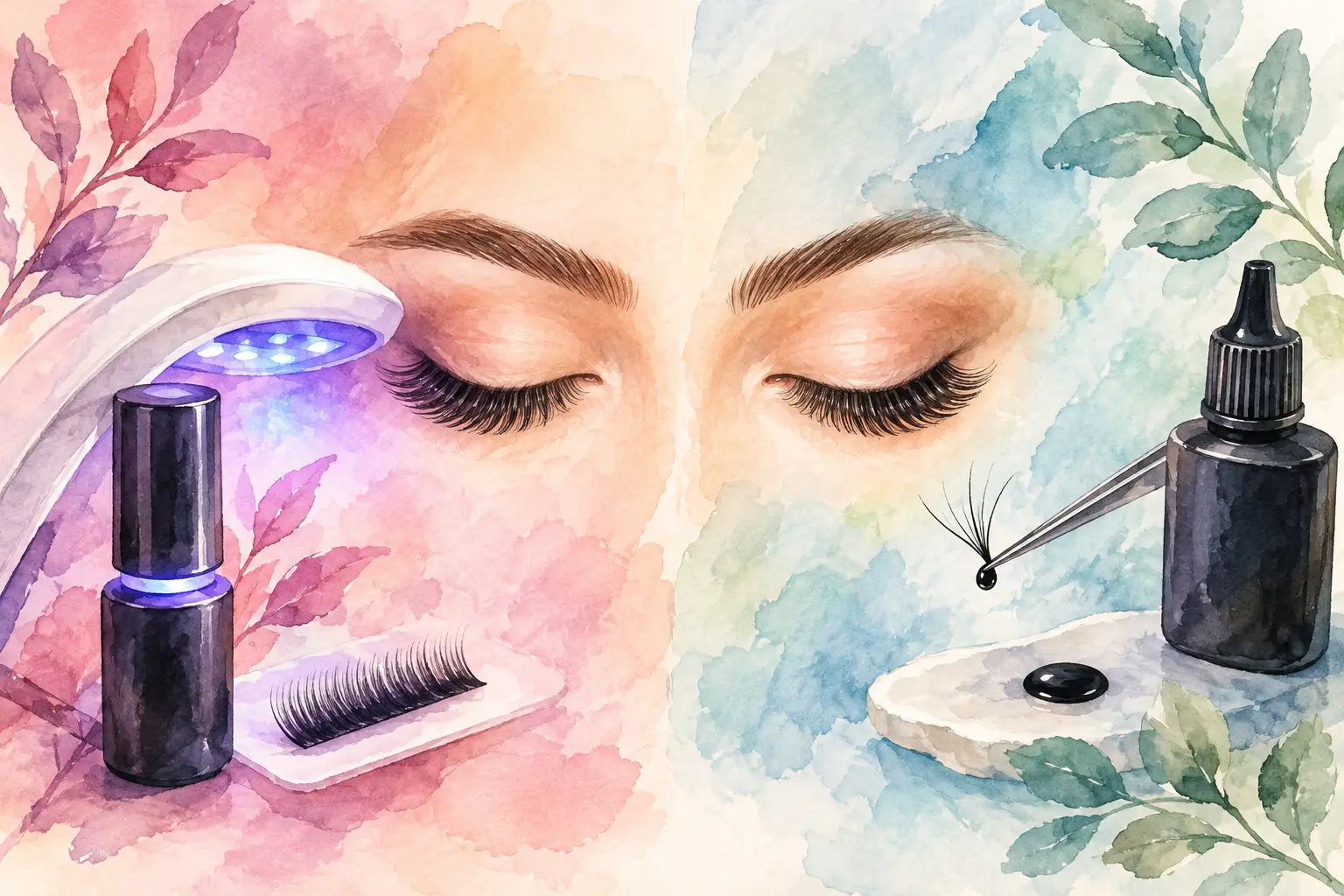
Adhesive is one of the most important items in any starter kit, but it is also one of the easiest products to misunderstand. Fast-drying adhesive may sound appealing, yet it can be difficult for a beginner who is still building controlled placement. If the adhesive cures before the extension is attached correctly, retention can suffer.
Choose adhesive based on your current speed, your room’s temperature and humidity, and the manufacturer’s instructions. A slower drying professional adhesive can give new artists more time to attach each extension with intention. As you become more efficient, you may prefer a faster option.
Adhesive storage and replacement matter just as much as the formula. Keep it sealed, stored as directed, and replaced within its recommended usable period after opening. Shake it according to instructions, use a fresh adhesive drop throughout the appointment, and never rely on old adhesive simply because there is product left in the bottle.
A starter kit should also include adhesive stickers, a jade stone, or another clean surface for dispensing adhesive. These small details create a more controlled workspace and support consistent application.
Sanitation Supplies Are Non-Negotiable
A professional kit should never treat sanitation as an extra. Lash artists work close to the eyes, and clients deserve a clean, comfortable service every time. Look for supplies that support proper disinfection, single-use application, and tidy setup.
Disposable micro brushes, lip applicators, spoolies, eye pads, and tape should be used appropriately and discarded after each client. Reusable tools such as tweezers must be cleaned and disinfected between services according to professional standards. Your bed, tray, lamp, and work surfaces need regular cleaning as well.
A kit with a large number of lash trays but no thoughtful sanitation supplies is incomplete. Strong artistry and cleanliness go together. When clients can see that your station is organized and your tools are handled with care, it builds trust before the appointment even begins.
Watch for Red Flags Before You Buy
Starter kits can be convenient, but convenience should not replace quality. Be careful with kits that make big promises while giving little information about the products inside. If the adhesive ingredients, lash diameters, sanitation instructions, or product origin are unclear, take that as a reason to ask more questions.
Avoid choosing a kit solely because it advertises hundreds or thousands of pieces. Many of those pieces may be low-value disposables, while essentials like dependable tweezers, professional adhesive, and quality lashes are underwhelming. A smaller kit with better core tools often gives you more value and a better learning experience.
Be cautious of kits that encourage unsafe application practices, such as working without proper eye pads, skipping cleansing, or applying lashes to multiple natural lashes at once. A professional lash extension should be isolated and attached to one healthy natural lash. This protects natural lashes and helps create a comfortable, polished result.
Training Makes a Starter Kit More Valuable
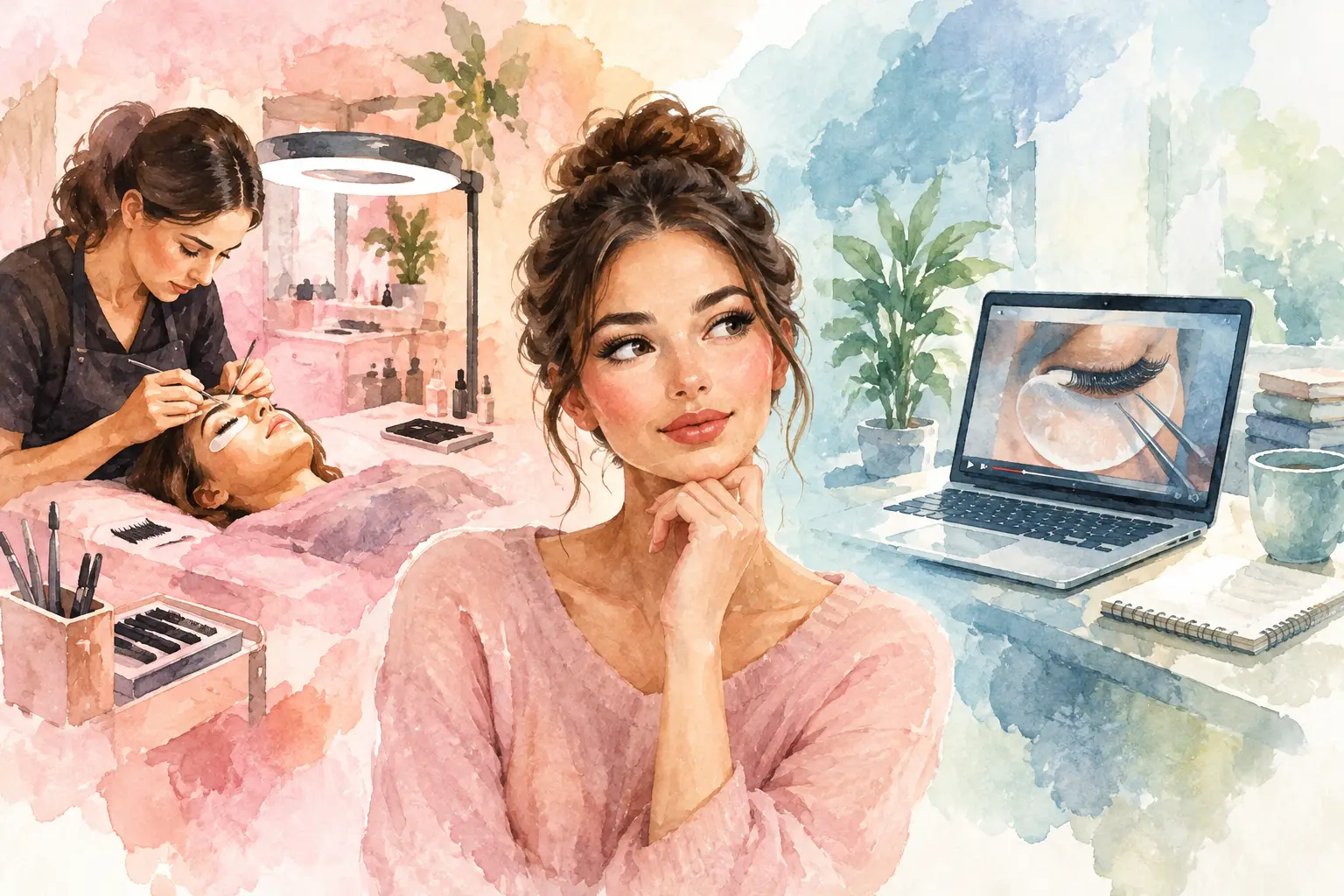
No kit can teach your hands what proper education teaches. Products are only part of the investment. The other part is learning the technique, safety practices, styling principles, retention factors, and client communication that turn supplies into a real service.
A quality training program should give you hands-on instruction, clear sanitation guidance, feedback on your work, and an understanding of how to customize sets. You should learn when a client is a good candidate for extensions, how to identify concerns that require postponing a service, and how to give aftercare instructions with confidence.
At Lash Therapy Indy, our state-certified lash extension training is designed to help aspiring artists build professional skills with the support and product knowledge needed to enter the industry prepared. That foundation can help you avoid costly habits that are difficult to correct later.
Build Your Kit Around the Services You Want to Offer
Your first kit should fit your immediate goals. If you are practicing on mannequins and models while learning classic sets, prioritize classic lashes, controlled adhesive, tweezers, eye pads, cleansing products, and sanitation essentials. Do not feel pressured to buy every volume supply at once.
If you are already trained in volume application, look for a kit with lightweight volume lashes, a suitable fan-making tweezer, and products that support your preferred technique. Premade fans and handmade fans create different workflows, and each has trade-offs in speed, customization, cost, and skill requirements.
Think about replenishment, too. The best kit is easy to maintain. Choose supplies you can reorder consistently so your work does not change from one client to the next because you are replacing key products with random alternatives.
A Better First Purchase Starts With a Plan
Before purchasing, make a simple list of what you need for your first 10 practice sets. Include lashes, adhesive, prep products, disposables, tweezers, sanitation supplies, and safe storage. Then compare kits based on the quality of those essentials, not the size of the box.
Starting with professional tools and proper education protects your investment, your reputation, and your future clients. Choose a kit that helps you practice with care, keep your station clean, and build the confident technique that makes clients want to come back.