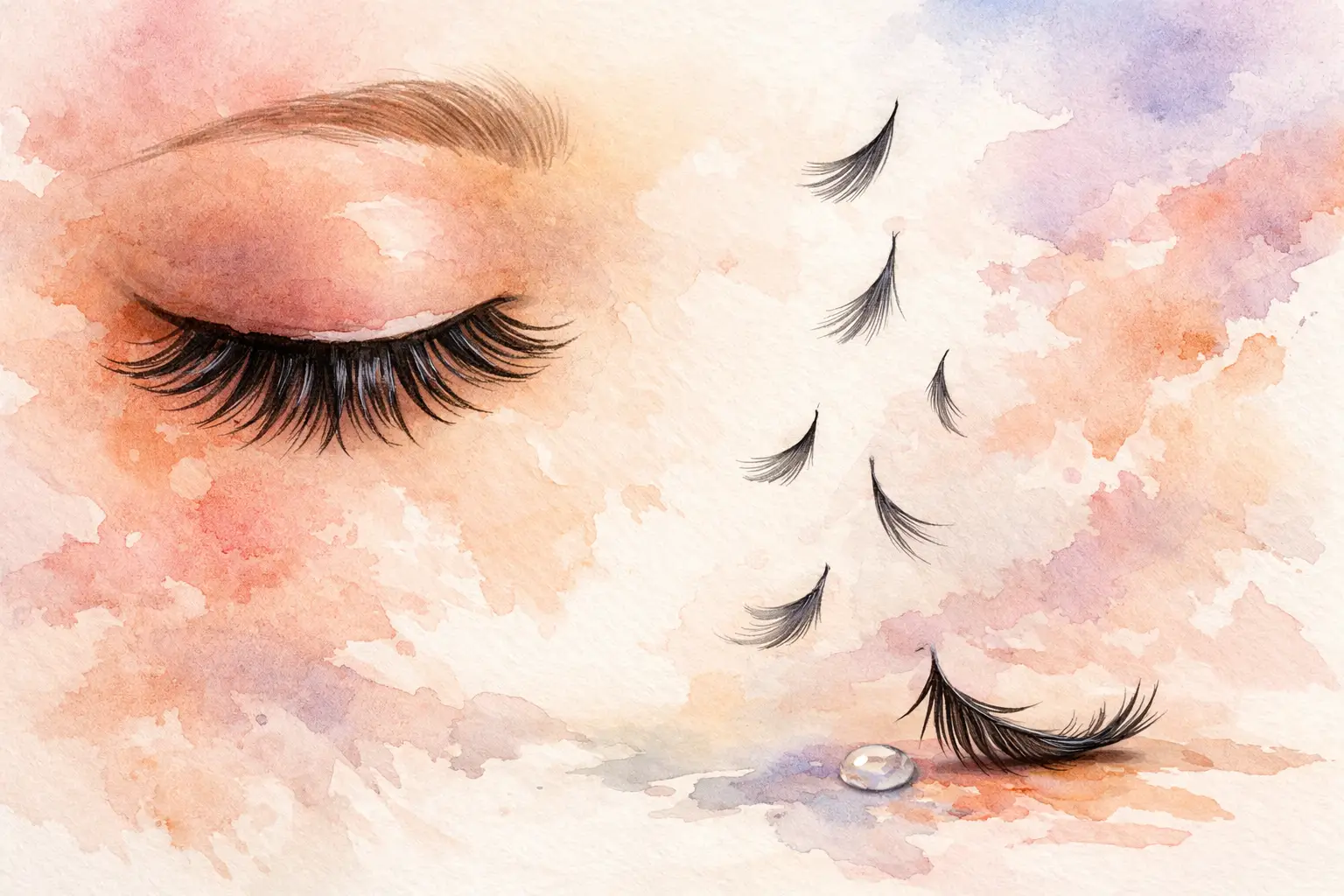
You wake up, look in the mirror, and spot a few extensions on your pillow. That moment makes a lot of clients ask the same thing – why do lash extensions fall out, and does it mean something went wrong? In most cases, some lash shedding is completely normal. The key is knowing the difference between healthy lash loss and signs that your extensions are not lasting the way they should.
Lash extensions are attached to your natural lashes, not to your skin. That means they follow your natural lash cycle. If a natural lash reaches the end of its growth phase and sheds, the extension bonded to it sheds too. So yes, lash extensions fall out over time by design. What matters is how quickly, how evenly, and why.
Why do lash extensions fall out naturally?
Every person loses natural lashes each day, usually a few without ever noticing. When extensions are applied properly, those natural lashes continue doing what they always do. They grow, rest, and eventually shed. This is one of the biggest reasons clients see fallout even when they are doing everything right.
Most clients can expect some gradual shedding over the course of two to three weeks. That is why regular fills matter. If your set looked full on day one and starts looking lighter after a couple of weeks, that is usually not a failure. It is maintenance.
Natural shedding also varies from person to person. Stress, hormone changes, seasonal shedding, and even overall health can influence how quickly your natural lashes cycle out. One client may hold a set beautifully for weeks, while another may need fills sooner even with perfect aftercare.
Why do lash extensions fall out too fast?
When extensions fall out in large amounts within the first several days, the cause is usually not the natural lash cycle alone. Fast fallout tends to come from aftercare issues, product compatibility, lifestyle habits, or application problems.
Oil is one of the most common culprits. Heavy eye creams, cleansing balms, oil-based makeup removers, and some skincare products can interfere with the adhesive bond. Even if a product never touches the lashes directly, it can migrate into the lash line over time.
Poor cleansing is another major reason retention suffers. Clients sometimes avoid washing their extensions because they are afraid of ruining them, but buildup actually shortens retention. Makeup residue, natural oils, sweat, and dust collect along the lash line and weaken the adhesive. Clean lashes last better than dirty lashes.
Sleeping habits matter more than many people realize. If you sleep face-down or press one side of your face into the pillow, you create friction against the extensions for hours. That repeated rubbing can twist, loosen, or pop extensions off sooner than expected.
Some fallout also comes from touching or picking. A quick tug while adjusting eyeliner, rubbing tired eyes, or pulling at an extension that feels out of place can remove both the extension and the natural lash attached to it. Even small habits add up.
The role of application quality
A beautiful set is not just about fullness or style. Retention starts with proper isolation, correct lash selection, adhesive control, and a clean application environment. If extensions are too heavy for the natural lash, placed incorrectly, or bonded poorly, they are more likely to twist, break, or shed early.
This is where training and technique make a real difference. A well-trained lash artist understands how to match the extension to the client’s natural lash health, eye shape, and daily routine. Premium products help, but they work best in skilled hands.
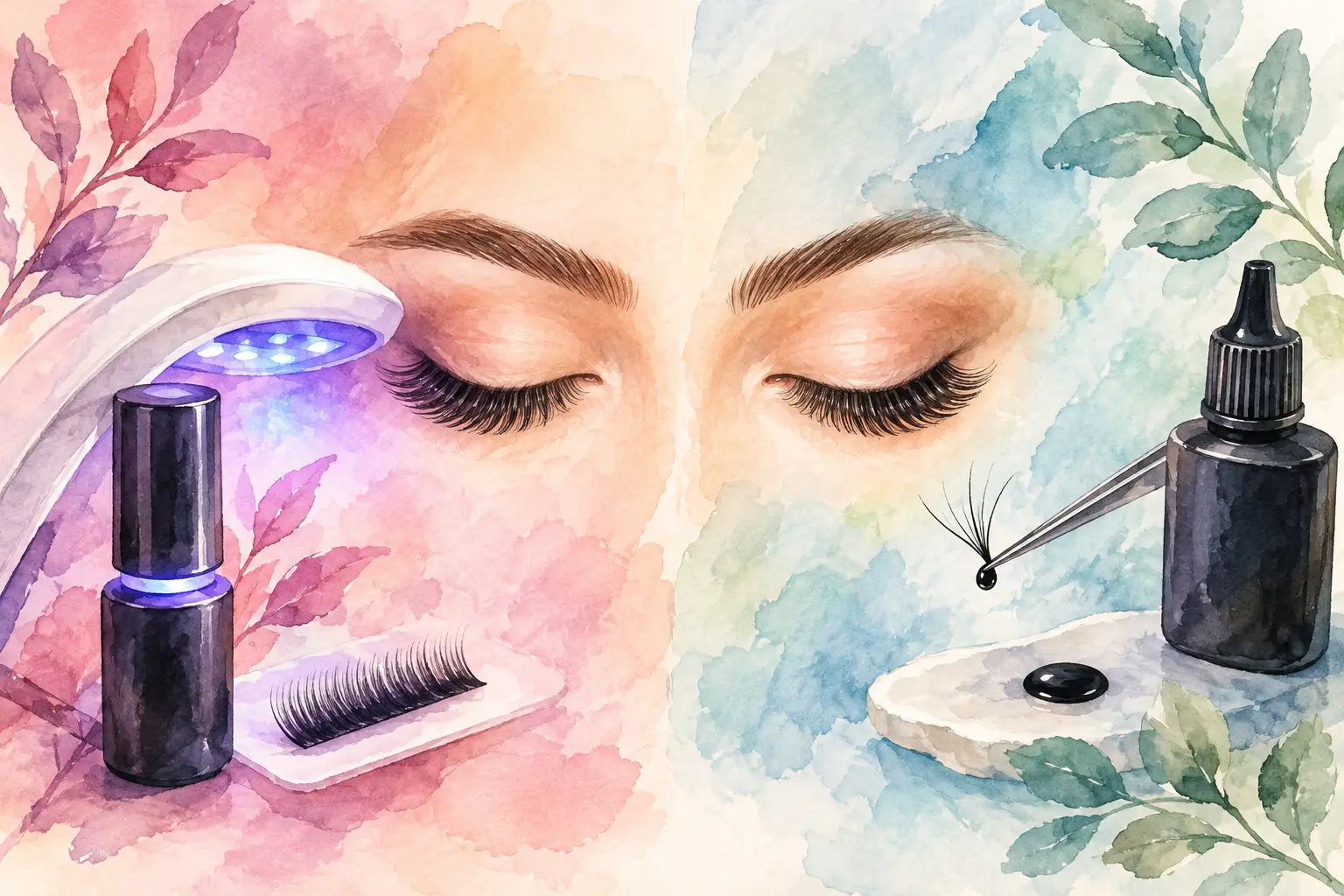
Humidity, room temperature, and adhesive performance also affect retention. Lash glue is sensitive. If the environment is off or the adhesive is not being used correctly, the bond may not cure as intended. Clients usually do not see that part of the process, but it directly impacts how long the set lasts.
Aftercare habits that affect retention
The best lash appointment can still be undone by poor aftercare. Good retention is a partnership between the artist and the client. If you want your extensions to last, your daily routine matters.
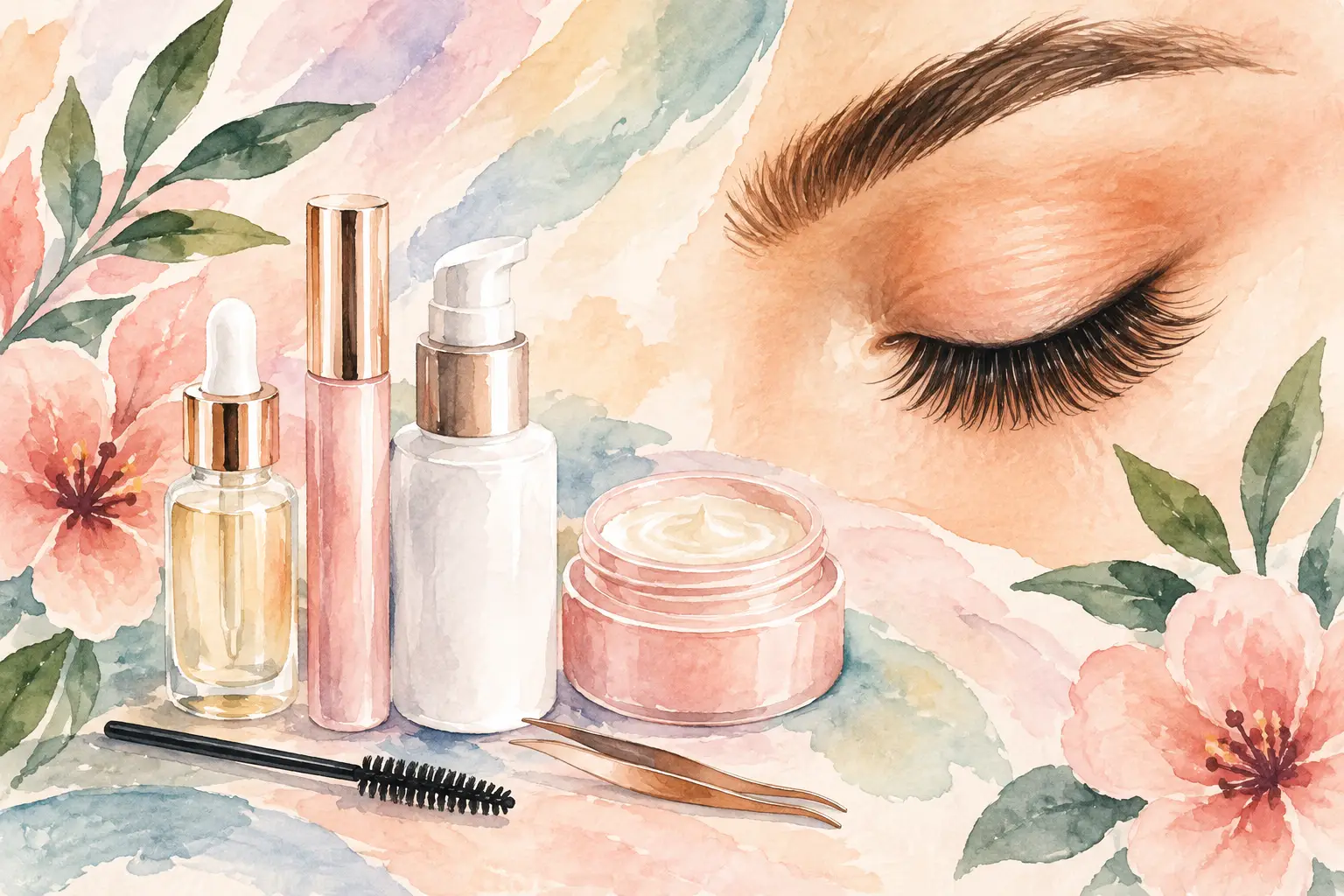
Clean your lashes consistently with a lash-safe cleanser. This helps remove oil, makeup, and debris that break down the bond. Be gentle, but do not skip cleansing. The goal is to keep the lash line healthy and the extensions lightweight and fresh.
Be careful with steam, excessive heat, and heavy moisture in the first day after your appointment if your artist recommends it based on the adhesive used. Follow the specific instructions you are given rather than relying on old lash advice from social media. Adhesive technology has improved, but custom aftercare is still best.
You also want to avoid waterproof mascara, mechanical lash curlers, and aggressive makeup removal. Extensions should simplify your routine, not fight against it. If you are using the wrong products around your eyes, they can work against your investment.
When fallout points to a bigger issue
Not all lash loss is harmless. Sometimes extensions falling out can point to irritation, poor lash health, or extension overload. If you notice redness, itching, tenderness, or broken natural lashes, it is worth taking a closer look.
One sign of trouble is seeing natural lashes that look snapped or unusually short after the extensions come off. That can happen when lashes are too heavy or too long for what your natural lashes can safely support. Another issue is stickies, where lashes are bonded together instead of isolated properly. As natural lashes grow at different rates, that tension can feel uncomfortable and affect lash health.
If fallout is uneven, extreme, or paired with irritation, the answer is not always to get a fuller refill immediately. Sometimes the better move is a professional assessment, a lash bath, a removal, or a more suitable set for your current lash condition.
Why some clients lose lashes faster than others
There is no universal retention timeline because every client brings a different set of variables. Oily skin can shorten retention. Frequent workouts, sauna use, and swimming can influence how the adhesive bond holds up. Hormonal changes, medications, and stress can affect natural lash shedding too.
That does not mean extensions are not a good fit. It means your lash plan may need to be personalized. Some clients do best with shorter refill intervals. Others need a slightly different curl, diameter, or style to reduce stress on the natural lashes. A good lash experience is never one-size-fits-all.
This is also why realistic expectations matter. If you want lashes that look perfect at all times, regular maintenance is part of the process. Extensions are a beauty service, not a permanent result.
How to make lash extensions last longer
If you are wondering how to improve retention, start with the basics and stay consistent. Choose a qualified lash artist who prioritizes sanitation, proper technique, and natural lash health. Then protect that work with smart aftercare.
Wash your lashes regularly, sleep carefully, avoid oil-heavy products near the eyes, and keep your hands off your lashes. Brush them gently when needed and book fills on schedule instead of waiting until most of the set is gone. Small habits make a noticeable difference.
It also helps to be honest during your appointment. If you have watery eyes, oily skin, allergies, or a workout-heavy routine, say so. That information helps your lash artist choose the best approach for better wear.
What normal lash shedding looks like
Normal shedding tends to be gradual and fairly even. You may notice a few extensions here and there, especially during cleansing or brushing. Your set slowly looks lighter rather than suddenly sparse. That pattern usually means your lashes are cycling naturally.
Abnormal shedding is more dramatic. If you lose a large section on one eye, notice major fallout in the first few days, or feel discomfort along the lash line, something else may be going on. At that point, checking in with a trained professional is the smartest next step.
At Lash Therapy Indy, we believe great lashes should look beautiful, feel comfortable, and support the health of your natural lashes. If your extensions are falling out faster than expected, the answer is not to guess. The answer is expert application, clean products, personalized aftercare, and a service plan that fits your lifestyle.
A few fallen extensions are normal. Knowing why they fall out, and when to pay attention, is what helps you get the best results from every set.