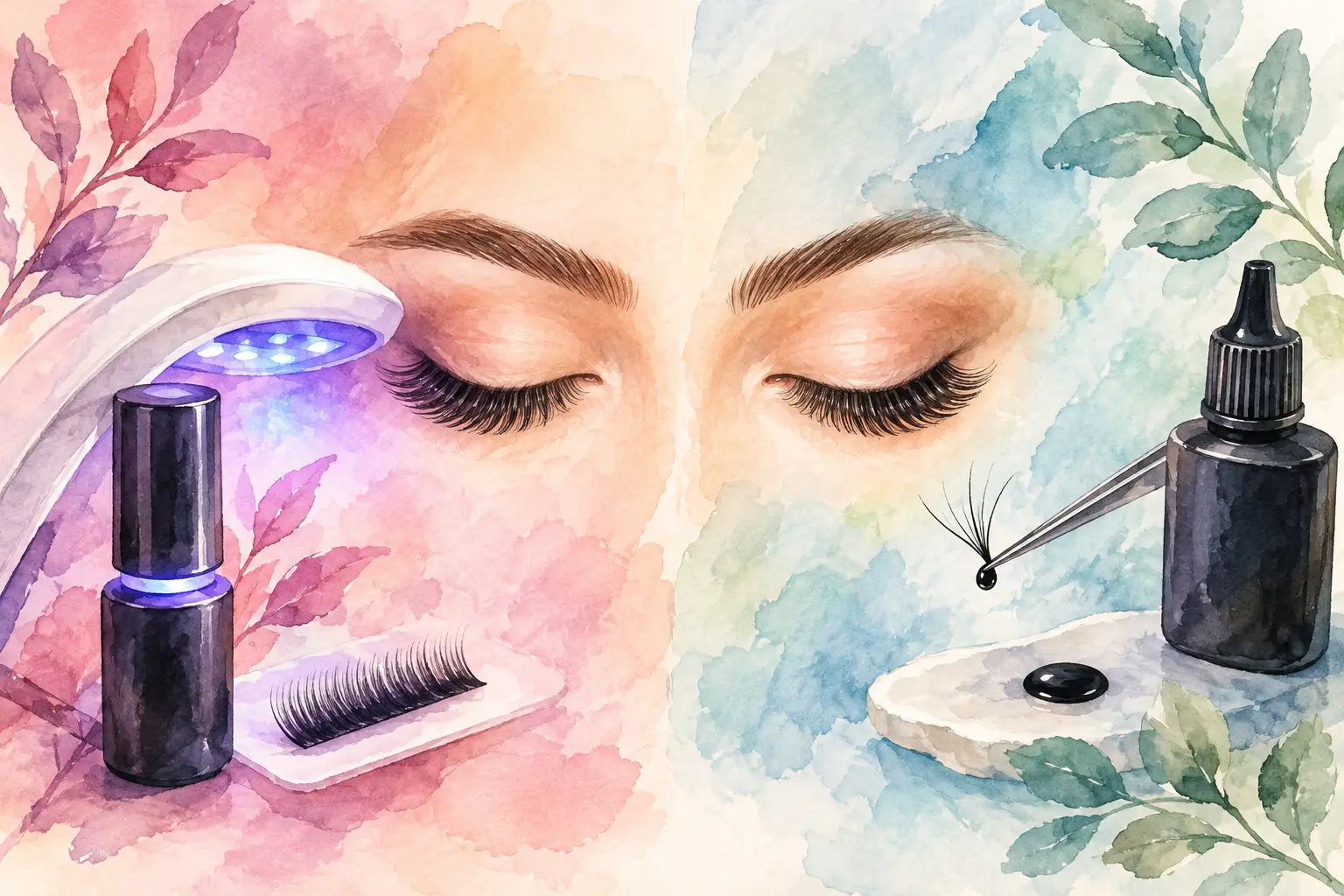
A client may never ask how you disinfect your tweezers or where your lash tile was stored, but she notices the feeling of your space immediately. A clean bed, fresh supplies, tidy hands, and a calm, prepared artist tell her she can relax. Sanitation for lash artists is not an extra step behind beautiful extensions. It is the foundation of a safe, professional service and the kind of trust that brings clients back.
For lash artists, sanitation protects the delicate eye area, supports better retention, and sets the standard for every appointment. It also protects your reputation. Whether you serve guests in a studio, suite, salon, or home-based setup, your sanitation practices should look as polished and consistent as your lash work.
Sanitation for Lash Artists Starts Before the Client Arrives
A sanitary appointment begins with a prepared station, not with a rushed cleanup while the client is walking in. Before each service, clear the lash bed and work surface of anything left from the prior appointment. Disinfect all nonporous surfaces according to the product label, including the bed, pillow support, tray, lamp handles, trolley, and any frequently touched tools or containers.
Disinfection only works when the surface is cleaned first. Adhesive residue, dust, makeup, and product buildup can prevent a disinfectant from doing its job. Wipe away visible debris, apply the appropriate disinfectant, and allow it to remain wet for the full contact time listed on the label. Spraying and immediately wiping it dry may feel efficient, but it can reduce effectiveness.
Your setup should be intentional. Place only the supplies needed for that client on your clean work surface. Keeping sealed disposables, clean tools, and products organized reduces unnecessary touching and makes it easier to avoid cross-contamination during the service.
Clean Hands Are Non-Negotiable
Wash hands thoroughly with soap and water before and after every client, after handling waste, after using the restroom, and any time hands may be contaminated. Hand sanitizer can be useful during a service when hands are not visibly soiled, but it does not replace proper handwashing.
Short, clean nails are part of professional hygiene. Avoid chipped polish, artificial nails that are difficult to clean, and rings or bracelets that can hold product residue and germs. If you wear gloves for any portion of the appointment, put them on with clean hands and change them whenever they become contaminated. Gloves are a barrier, not permission to touch everything in the room.
A Fresh Bed Means More Than Fresh Linens
Every client deserves fresh linens or a clean disposable bed cover, pillow cover, and blanket layer when used. Reusable linens should be stored separately from used items and washed after every appointment. Never place clean supplies on a bed or trolley that has not been disinfected between clients.
This level of care matters because lash services are performed close to the eyes. Clients should never wonder whether the pillow, blanket, or surface beneath them was prepared specifically for them. A visibly clean environment creates comfort before the first lash is placed.
Safe Tool Care for Every Lash Appointment
Tweezers are precision tools, but they are also reusable implements that require a complete sanitation process between clients. Simply wiping them with alcohol or cleanser is not enough when disinfection is required. Follow your state board requirements and the manufacturer instructions for your professional-grade cleaning and disinfecting products.
The process should include removing adhesive and visible debris, cleaning the tool thoroughly, disinfecting it for the required contact time, drying it properly, and storing it in a clean, covered container. Keep used tweezers separate from disinfected tweezers at all times. A labeled container system can prevent mix-ups on busy days.
Do not forget the tools that are easy to overlook. Lash palettes, scissors, reusable mapping tools, fan handles, and certain applicators may also need to be cleaned and disinfected depending on how they are used. Anything that touches the client, your hands during service, or a potentially contaminated surface deserves attention.
Disposable Supplies Stay Single-Use
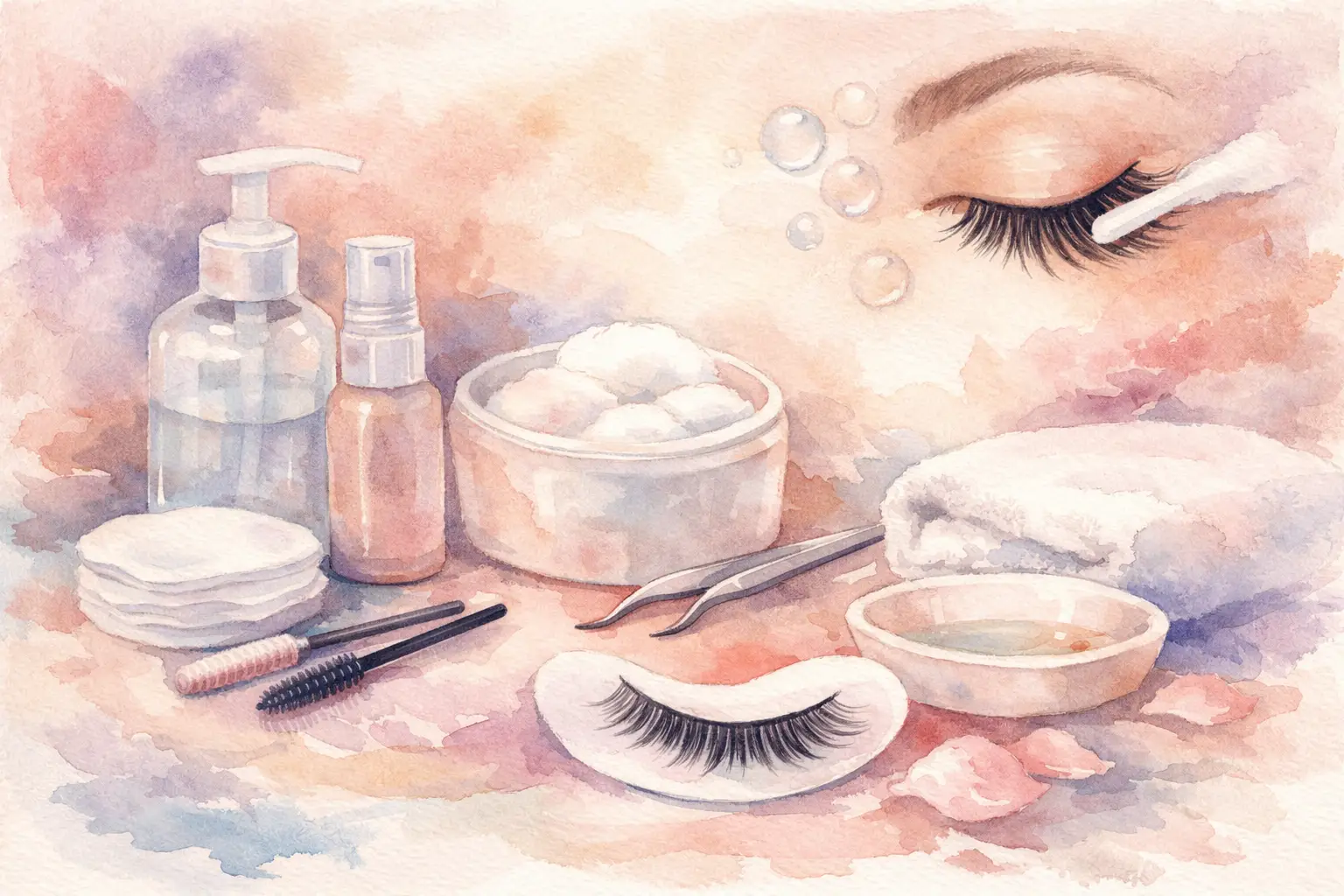
Microbrushes, spoolies, lip wands, under-eye pads, tape, cotton swabs, mascara wands, and adhesive rings should be treated as single-use items. Once an item has touched a client or your work area during that appointment, dispose of it. Never return a used spoolie or microbrush to your clean supply area.
For products in jars, pots, or containers, avoid double-dipping. Use a clean, disposable applicator to remove the amount needed, then discard the applicator. This is especially important for cream removers, cleansers, and products used near the eye area. The small cost of disposables is worth the protection they provide for your clients and your business.
Product Hygiene Protects Lash Retention and Client Comfort
A clean service is not only about preventing germs. It also supports the quality of the set. Oils, makeup, skincare residue, and dirty natural lashes can interfere with adhesive performance. Begin each appointment with a careful assessment of the eye area and cleanse as needed with products intended for lash services.
Keep adhesive bottles clean and stored according to manufacturer instructions. Wipe the nozzle after dispensing adhesive, replace the cap securely, and avoid letting the tip touch your lash tile, tweezers, or other surfaces. If adhesive buildup forms around the nozzle, clean it promptly so the bottle closes correctly and the product stays in better condition.
Lash trays should remain protected from dust and product debris when not in use. If you use a tile or palette during the appointment, disinfect it between clients. You should also replace your adhesive dot regularly during the service based on your product’s recommended working time and the conditions in your room. Humidity, temperature, and adhesive age can all affect performance, so sanitation and proper product handling work together.
Create a Client Screening Process That Feels Professional
Sanitation includes knowing when not to perform a service. If a client arrives with signs of an eye infection, contagious condition, active irritation, or an unexplained rash around the eye area, reschedule the appointment and encourage her to seek appropriate medical guidance. Applying extensions over a compromised eye area is not worth the risk.
A thorough consultation helps you make safe decisions. Ask about allergies, recent eye procedures, sensitivities, current eye symptoms, and previous reactions to lash products. Keep client records current, including consent forms and notes about products used. This supports consistency at future fills and gives you a clear reference if a client reports irritation or retention concerns.
Communication should be kind and direct. Clients may feel disappointed when they need to reschedule, but a professional explanation reinforces that you are protecting their health. The right clients appreciate an artist who will not compromise their comfort for a same-day appointment.
A Between-Client Routine Keeps Standards Consistent
The busiest part of the day is where sanitation systems can slip. Build enough time between appointments to reset your station without rushing. A reliable turnover routine should include disposing of single-use items, separating used tools, changing linens, cleaning then disinfecting surfaces, washing hands, and setting out fresh supplies.
It helps to work from clean to dirty. Start by putting away protected clean products, remove trash and used disposables, place reusable implements in their designated used-tool container, then clean and disinfect the station. Finish by washing your hands and preparing the next client’s supplies. This order prevents you from disinfecting a surface and then contaminating it again while handling waste.
Your room should also have a clear laundry and trash process. Covered waste containers, closed storage for clean linens, and a separate bin or bag for used linens keep the space orderly. If you work in a shared salon, do not assume another professional has cleaned a common surface. Disinfect the areas and equipment you use yourself.
Sanitation Training Is Part of Being a Trusted Lash Artist
Great lash education teaches more than curls, styling, isolation, and retention. It teaches artists how to work responsibly around the eyes, follow local regulations, understand product labels, and develop habits that protect every client. Sanitization standards can vary by state and licensing requirements, so artists should stay current with Indiana rules and any requirements that apply to their work setting.
At Lash Therapy Indy, premium lash artistry and client care go together. A beautiful result should never come at the expense of a clean, comfortable experience. For aspiring artists, state-certified training provides the structure to build technical confidence and professional standards from the beginning.
Clients also have a role in protecting their lash appointments. Arriving with clean eyes, following aftercare instructions, avoiding unnecessary touching, and speaking up about irritation or changes in eye health all support a safer experience. When the artist and client both respect the process, lash extensions can remain a comfortable part of a polished everyday routine.
The strongest sanitation routine is the one you follow every time, even on a fully booked day. Let your clean space, careful preparation, and consistent standards show clients that their comfort is never an afterthought.